

Over $50K
Annual Revenue
Over 6 Months
Time in business
600+
Credit Score


Annual Revenue
Time in business
Credit Score
Senior debt financing is a type of corporate financing that takes precedence over other forms of debt in the event of a company’s liquidation. It is secured by the company’s
specific property and offers more protection to lenders. It is usually repaid at a fixed rate and is repaid on a fixed schedule of time so it is a popular choice for businesses seeking to borrow money and offer some security to the lender.
Senior debt financing is a type of loan or credit facility that has the primary claim on a company’s assets and cash flows in case of bankruptcy or liquidation. Usually, these loans are provided by banks, financial institutions or syndicated lenders and are backed up with collaterals. Because of its priority status, senior debt is regarded as the most beneficial form of corporate borrowing from the lender’s point of view. It is therefore often offered at lower interest rates, with more restrictive covenants than subordinated debt or equity financing. Senior debt is a normal feature of leveraged buyouts, business acquisitions and infrastructure projects. The borrowers benefit from predictable cash flows and the lenders benefit from their preferred position in the capital structure, which decreases their exposure to risk.
Senior debt financing is generally less expensive, with lower interest rates compared to other forms of financing. In addition to this, lenders have first rights to repayment, which helps to reduce their risk. This allows companies to obtain relatively inexpensive financing to improve profitability and is a preferred method for financing a major undertaking or for expanding operations.
An important benefit is that senior debt holders will be paid first in the event of insolvency. This priority reduces the risk for lenders and this result in more stable funding conditions. This is positive for companies, as they get better access to finance, especially for large purchases or leveraged financial activities.
This predictability enables businesses to plan their cash flow needs more efficiently and fulfill financial obligations with increased confidence. This reduces the financial planning uncertainty and helps in better planning of long term financial plans for business operations and development plans.
Senior debt tends to be looked on less as a risky debt for the lender and thus, organizations might often take out a larger sum of debt than they would for unsecured borrowing. This offers companies more financial flexibility and enables it to fund major projects, acquisitions and/or expansion without immediately diluting ownership via the issue of shares.
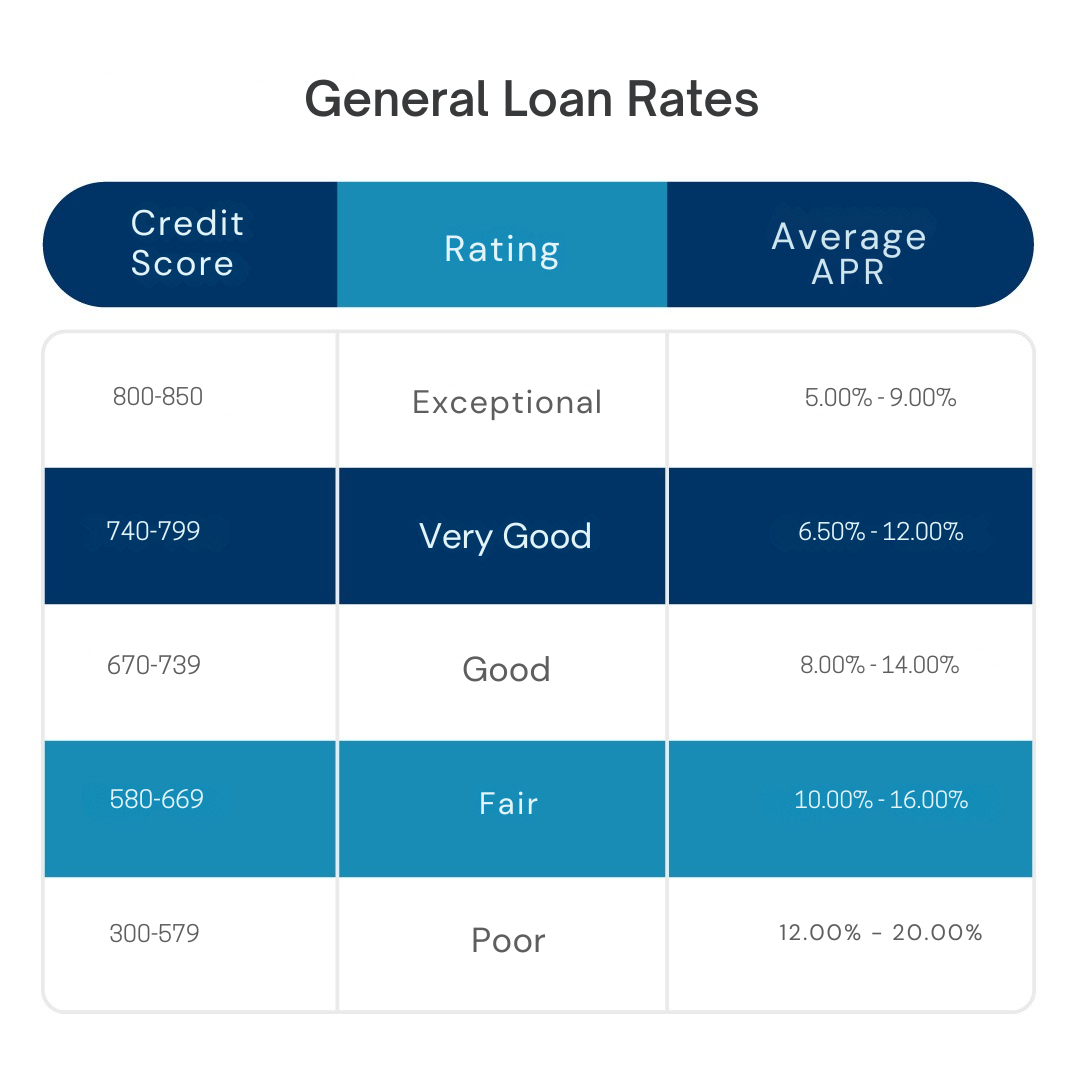
A senior debt financing is a method by means of which corporations could obtain finance, without surrendering ownership or control. Lenders are not part owners of the business like equity investors. This allows current owners to maintain full control over decision making process, and still access a huge amount of cash for expanding and running the business.
Payments of interest on senior debt are usually tax-deductible, decreasing the overall cost of borrowing. This translates into a financial advantage for enterprises: their taxable income is reduced while funds are used for company development and, as a consequence, higher net profitability and long-term financial efficiency are achieved.
Secured, senior debt is something that institutional lenders have great faith in. It's also strengthening the company's reputation as a reliable borrower in the financial markets.
Large financial operations including mergers, acquisitions and leveraged buyouts typically utilize senior debt. It’s organized and safe so it’s perfect for large value projects, giving the financing needed while ensuring financial discipline and payback.
Senior loans usually have harsh covenants and conditions that restrict flexibility for companies. They can restrict lending, paying dividends, or making operating decisions. They impose constraints that may limit managerial discretion and the ability to respond to market changes in a timely fashion.
Most of the debt financing for senior financing is collateralized. The collateral can be property, equipment or receivables. It puts borrowers at risk of losing valuable assets, if they cannot repay, that may affect their long-term operating capacity and financial stability.
Senior debt is a debt that has to be repaid irrespective of the success of the business. Repayment schedules are set even during financial depression. This can lead to cash flow problems especially for businesses with erratic cash flows and declining sales which raise the probability that they will default.
Senior debt with a structure of repayments and restrictive covenants can restrict the ability of a company to make further investments or changes to its business strategy. Even when fresh prospects present themselves, businesses may be hampered by financial responsibilities.
Conclusion
Finally, it is important to note that the senior financing is one of the most important tools in corporate finance as it enables companies to access large-scale financing at a relatively low cost. Its secured, priority-based construction is especially appealing to lenders and offers borrowers dependable and predictable financing. It’s tax advantages, it doesn’t dilute ownership and is good for big financial deals, all of which are good for companies. But financing also comes with tight conditions, like as repayment schedules, collateral requirements and operating limits through covenants. These limits can limit flexibility especially in times of financial crisis. Despite these restrictions, senior debt is still widely used because of its reliability and efficiency in financing. It is particularly useful in leveraged buyouts, acquisitions and infrastructure projects that require large amounts of cash. In the end, sound financial planning, effective cash flow management, and risk assessment are the keys to the success of senior debt financing. It can enable organizations to grow sustainably and be financially disciplined and operationally controlled in its well managed state. It is one of the fundamental components of the capital structure of many successful companies across a variety of sectors.
Senior Lenders typically include banks, financial institutions and syndicated lenders. The lenders that give secured loans to business based on borrower’s credit worthiness, credit and financial stability of the borrowing company.
It is widely utilized for mergers, acquisitions, leveraged buyouts, capital expenditures and working capital needs. Due to its less expensive and easier to schedule payback period, it is used by businesses for large-scale funding.
The senior debt is typically backed by the company’s assets, which could include property, equipment or receivables. This collateral reduces risk to the lender. It will be paid off first in case of financial difficulties of liquidation .
Senior debt has to be paid back with interest but does not include giving up ownership . Equity involves selling ownership shares. Unlike equity funding, debt entails payback obligations while equity funding gives control.
Startups tend not to have assets and credit history, so it is notoriously difficult to get hold of senior finance. It is more often used by well established companies with regular income streams and the ability to offer collateral.

Outsource Capital LLC offers a multitude of benefits for businesses in search of loans. Through our extensive network of lenders, Outsource Capital enables businesses to tap into a broader pool of financing options, simplifying the application process and facilitating access to competitive loan terms. The network’s versatility and the expertise of its lenders make it an appealing choice for businesses of all scales.
With the ever-evolving lending landscape, exploring Outsource Capital’s network of lenders can present businesses with the necessary funding solutions to flourish and achieve success.
The information provided in this article is for informational purposes only and does not constitute financial or legal advice. Each business’s financial situation is unique, and it is recommended that businesses consult with qualified financial and legal professionals before making any financial or legal decisions. The accuracy and applicability of the information provided may vary depending on individual circumstances and should not be relied upon without independent verification. The author and the publisher of this article are not responsible for any financial losses, damages, or legal consequences arising from the use or reliance upon the information provided.