

Over $50K
Annual Revenue
Over 6 Months
Time in business
600+
Credit Score


Annual Revenue
Time in business
Credit Score
Leveraged buyouts are important part of today’s corporate finance and investment practices. They reduce the need for a significant amount of personal investment since they allow investors to purchase companies with a substantial amount of borrowed funds. In all sectors, leveraged buyouts have played a significant role in restructuring companies, helping companies grow and create value. Business owners, investors, and financial experts may assess acquisition prospects, manage risks, and find ways to boost firm value and profitability in cutthroat marketplaces by understanding how LBOs operate.
The purchase of a business through a mix of stock and a sizable sum of borrowed money is known as a leveraged buyout (LBO). In most cases, the funding which is provided to finance the acquisition is backed by the cash flows of the target company and its assets. Leveraged buy outs are a popular way that private equity firms buy businesses that have solid and consistent cash flows. The buyer is typically looking to optimize operations, maximize profit and increase the value of the company before finally selling the company for a profit. With comparatively lesser capital expenditures, leveraged buyouts allow investors to take control of larger companies with the potential for huge financial rewards.
Businesses can be acquired by investors with leveraged buyouts, rather than paying all the acquisition costs. Purchasing more with borrowed capital, and saving up funds for other possible investments, strategic projects, or current improvements that can provide value to the organization.
When the acquired company succeeds, the investors have the chance to make bigger equity returns because the stock price is bound to rise, and a substantial portion of the purchase price is borrowed. The value of the investors’ ownership interest can be greatly increased by increased profitability and effective debt repayment.
With leverage buyout debt obligations, it is often a good thing that management is driven to improve productivity and cut expenses. In order to meet payback targets and enhance the company’s financial results, businesses typically focus on boosting productivity, optimizing cash flow generation, and streamlining operations.
Leveraged buyouts can bring together seasoned investors who can provide resources and strategic guidance. These investors often provide assistance to expand the business, develop markets, improve operations, and make acquisitions.
With a comparatively little stock input, investors may take over large companies. This will minimize the individual’s purchase outlay required and allow them to contribute to the company’s growth, operational improvements and influence decisions on strategic choices.
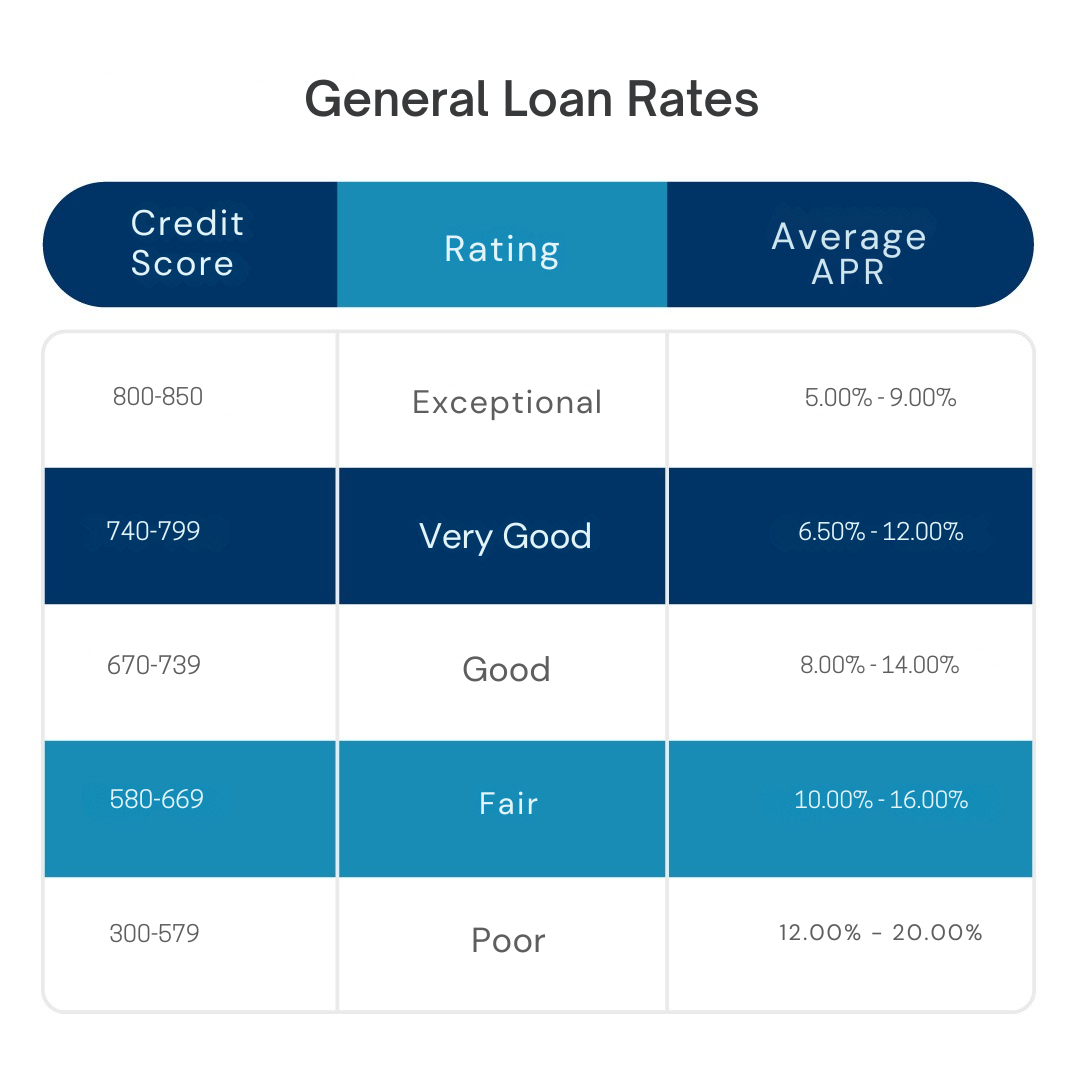
The approach of financing via SBA allows business ownership to be transferred more easily, following a structured funding process. There are a lot of established businesses for sale, without complicated private funding arrangements, which helps to ensure business continuity and minimum disruption during the change of ownership, good news for employees, customers and suppliers.
Pressures arising from debt repayments often cause management teams to focus on performance, profitability and cash flow. This greater accountability can lead to greater financial discipline, decision making and overall corporate performance.
Interest payments on acquisition debt are often tax deductible, thus reducing the income of the business. This tax advantage can make leveraged buyouts a smart investment for those seeking to acquire an effective investment structure, which can provide an attractive cash flow.
Under new management, changes are typically made to improve corporate performance. Restructuring operations, maximizing resources, enhancing governance, and putting development strategies into place that boost the company's worth and competitiveness in the market are some examples of these adjustments.
The company being bought could be facing financial difficulties, resulting from the debt used in the leveraged buyout. If sales are declining or the economy is suffering, it can be difficult to keep up with the commitments to meet the meetings and could endanger the viability of the company.
Leveraged buyouts raise the financial risk of the corporations and investors. Unexpected changes in the market, operational challenges, or an economic slowdown can have a negative impact on cash flow, making it difficult to cover debt payments and reducing overall investment profitability.
Debt commitments may be met by using extreme cost-cutting measures by businesses. These activities can contribute to improved financial performance, but can also negatively impact long-term growth strategies, customer service, employee morale, and employee retention.
Companies that have high debt-to-equity ratios may be less likely to be able to invest in their growth, innovation, research, or strategic initiatives. The inflexibility can hinder growth and growth opportunities and make it harder to adjust to changing market demands.
Conclusion
In corporate finance, leveraged buyouts continue to be one of the most popular acquisition techniques. By partnering some amount of equity capital with a significant loan financing, investors can buy companies with the minimum amount of personal capital required. Increased profits, operational enhancements, tax savings, and chances for strategic expansion are just a few advantages of this strategy. By promoting managerial effectiveness and giving investors more control over company operations, leveraged buyouts may also add value. However, there are significant risks in leveraged buyouts. Excessive levels of debt can significantly affect a company’s financial performance, particularly during a downturn in revenues or an economic crisis. Companies that participate in LBO transactions need to be effective in running the company, manage cash flow carefully and develop sound long-term strategies if they are to be successful. In properly executed leveraged buyouts, major benefits can accrue to stakeholders, employees and investors. It’s important to understand the benefits as well as the risks to make intelligent decisions and maximize the potential of this successful acquisition method.
Private equity firms are most commonly the buyers in LBOs. To earn investment returns, they purchase businesses with strong cash flows, improve the operations, increase profitability and resell the business at a higher valuation.
Because they enable investors to take control of larger firms with less personal resources, leveraged buyouts are popular. The use of debt can also significantly increase returns if the business that is purchased grows and is able to pay back its debt.
Typically, cash flows from operations of purchased business will be applied to repaying debt. As time passes, higher revenue, asset sales, cost effectiveness and profitability may contribute to funding the obligations of payback.
Companies with predictable revenues, capital expenditure needs, and good market positions, and steady cash flow, are generally considered potential targets for a leveraged buyout.
The primary aim of an LBO is to buy a business with a loan. Management Buyout (MBO) is when the management team of the company purchases the business itself, often with a combination of borrowed funds and their own investment.

Outsource Capital LLC offers a multitude of benefits for businesses in search of loans. Through our extensive network of lenders, Outsource Capital enables businesses to tap into a broader pool of financing options, simplifying the application process and facilitating access to competitive loan terms. The network’s versatility and the expertise of its lenders make it an appealing choice for businesses of all scales.
With the ever-evolving lending landscape, exploring Outsource Capital’s network of lenders can present businesses with the necessary funding solutions to flourish and achieve success.
The information provided in this article is for informational purposes only and does not constitute financial or legal advice. Each business’s financial situation is unique, and it is recommended that businesses consult with qualified financial and legal professionals before making any financial or legal decisions. The accuracy and applicability of the information provided may vary depending on individual circumstances and should not be relied upon without independent verification. The author and the publisher of this article are not responsible for any financial losses, damages, or legal consequences arising from the use or reliance upon the information provided.