

Over $50K
Annual Revenue
Over 6 Months
Time in business
600+
Credit Score


Annual Revenue
Time in business
Credit Score
SBA acquisition financing is a form of Small Business Administration (SBA) financing that enables
business owners to acquire businesses. The government provides backing for loans to reduce the
risk for lenders and buyers have the choice to purchase an existing business rather than start a
company from the ground up. This type of financing is important in that it offers more access to
capital for small business buyers that may not qualify for traditional financing. It offers structured
and affordable ownership transition financing through regulated lending schemes that foster
entrepreneurship, business continuity and economic growth.
SBA acquisition financing is a loan that is partially guaranteed by the U.S. Small Business
Administration used to purchase an existing enterprise. These loans are usually issued by a lender
that is either authorized by the SBA or is a bank or other financial institution and the SBA backs a
percentage of the loan to minimize the risk to the lender. The most popular loan program is the SBA
7(a) loan, which can be used to purchase a business, working capital and related expenses. The
borrower has to be creditworthy and have the potential to make a down payment as well as a
potential business. The business purchased must also be sizeable enough to qualify for the SBA size
standards. This kind of financing makes it easier to be a business owner by reducing the obstacles to
starting a business and giving the option to repay over a longer period of time with a comparatively
low rate of interest to a commercial loan.
It may be possible to get an SBA loan with a lower percentage down payment than a standard
commercial loan. This benefit can aid entrepreneurship because it enables acquiring an operating
business without a huge amount of personal savings or personal investor support.
SBA loans are backed by the government, so lenders have less risk. This can make banks feel more
willing to lend money which they may not have considered before. This makes it more convenient
for businesses to be acquired and receive funding, thus expanding small businesses in the economy.
The loan terms for SBA acquisition loans are typically 10 years or longer. It will lessen the monthly
strains on the buyer's budget and provide greater cash flow stability. Longer terms provide new
owners with a period of time to operate the business and settle their debt to buy the business.
Most of the time, rates for SBA financing for acquisition are less expensive when compared to
conventional loans. This will help reduce overall borrowing costs and boost profits for business
buyers. Reduced interest expenses leave more funds available to the owner to invest in the business,
to operate the business, and to train employees.
The approach of financing via SBA allows business ownership to be transferred more easily, following a structured funding process. There are a lot of established businesses for sale, without complicated private funding arrangements, which helps to ensure business continuity and minimum disruption during the change of ownership, good news for employees, customers and suppliers.
Rather than launching a new venture, it is possible for consumers to purchase businesses already established with people, income systems and processes. It decreases the risk of launching and increases the chances of success since the business already has a proven track record of operations and market presence.
SBA acquisition loans can frequently provide funds for the purchase price, for working capital and sometimes for equipment upgrades. It offers the ability to meet both the investment requirements involved in acquisition and the short-term operating requirements, all within a single financing package.
SBA acquisition financing is a tool to eliminate financial barriers for more people wanting to become business owners. It helps small business expand, create new jobs and provide economic development by making business ownership opportunities accessible to qualified purchasers who may lack large capital resources.
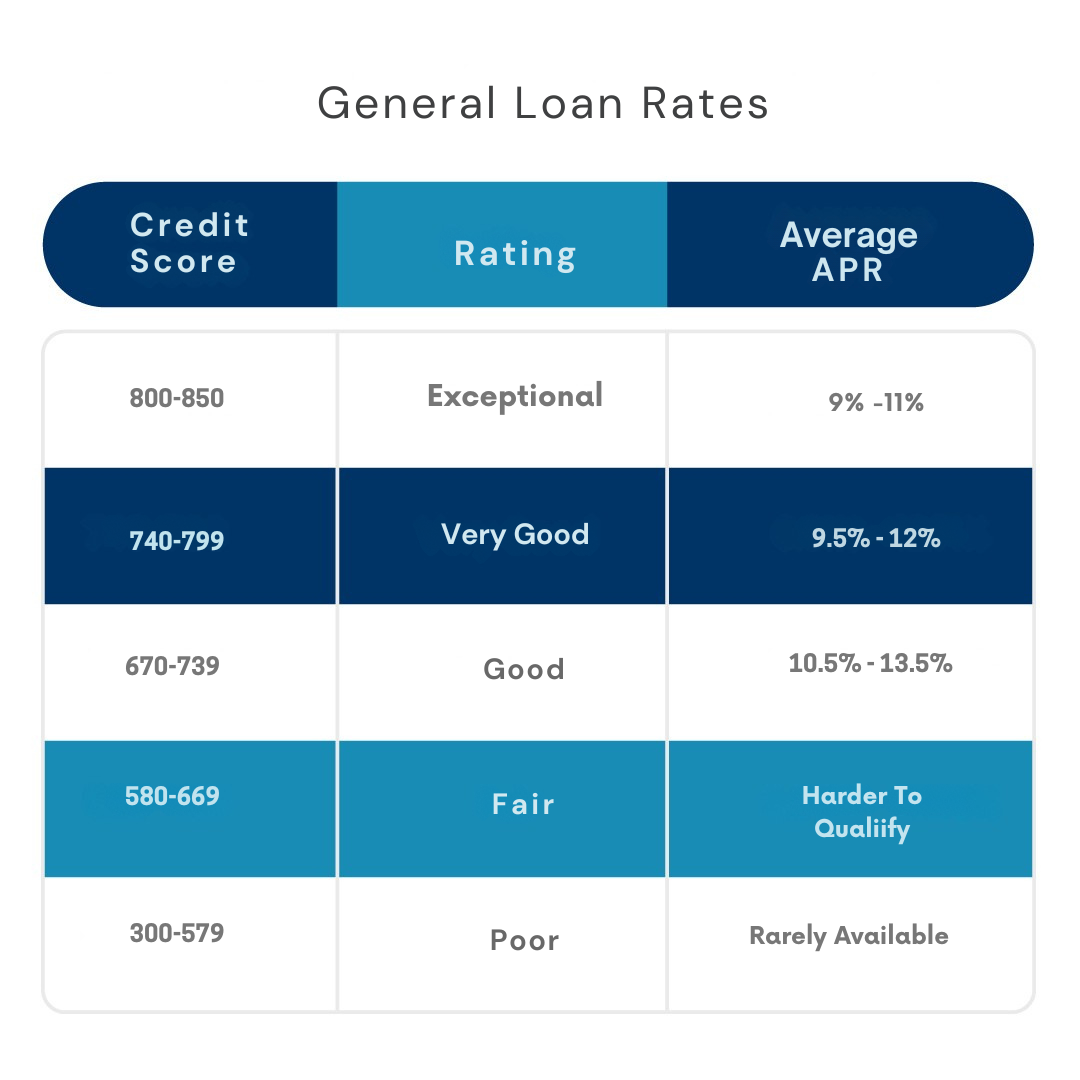
SBA loans have strict requirements including credit score, business viability and business documentation. If a buyer does not qualify for the lenders' requirements and the SBA guidelines, the delay or denial may occur.
The SBA acquisition financing approval process is a lengthy one, due to the in-depth documentation and regulatory checks. This may have a negative impact on the speed of business acquisition and introduce uncertainty to buyers and sellers, particularly in an active market where timing is key.
Typically, the borrower will have to sign a personal guarantee for most SBA loans, which will make them personally liable for repayment. Also, this can put a financial risk on the buyer as their assets could be at stake if the company is not making enough money to cover the loan.
The loan limits for SBA acquisition financing are not always sufficient to finance larger business acquisitions. In the case of buying high-value companies, they might require other finance sources, increasing the complexity and therefore the lack of simplicity of the structure of the transaction.
Conclusion
SBA acquisition financing is one of the essential tools that can assist people and small business
investors to acquire existing businesses with minimal financial risk. It does so because it offers loans
through the government, which ensures that the lender has some incentive to make an offer that is
otherwise too high-risk. There are numerous advantages of this form of financing, including lower
down payments, extended terms and affordable interest rates, making business ownership more
affordable. It also stimulates entrepreneurship and economic development through facilitating entry
of more individuals into the market as entrepreneurs. But, with its benefits, SBA acquisition
financing has challenges such as eligibility requirements, lengthy approval processes and personal
liability via guarantees and restrictions on loan amounts. These are the things that buyers need to
plan and prepare financially for. If you have good credits, a thorough business assessment and good
awareness of your repayment responsibilities, SBA financing is successful. If used properly, SBA
acquisition financing can be a powerful tool for acquiring a business that generates recurring
income, and provide long-term financial freedom. It remains one of the most frequent and reliable
ways to ensure a smooth transfer of ownership of small businesses in the United States.
The Small Business Administration (SBA) 7(a) loan program is the most popular financing option for
business acquisition. It covers purchase price, working capital and operating expenses. It's the first
place that small business buyers in the United States turn to for financing their small business.willing to lend money which they may not have considered before. This makes it more convenient
for businesses to be acquired and receive funding, thus expanding small businesses in the economy.
Typically, buyers will have to put down between 10% and 20%. The amount will vary based on the
lender and the risk and qualifications of the business and borrower. Comparable to conventional
funding choices, lower down payments are easier to own a business.
A loan to acquire the SBA can be for 10 years or more. This long-term solution can lower monthly
payments, enhance business cash flow and make business debt easier to manage for the new owner.
Typically, SBA loans are available to U.S. citizens and legal permanent residents. Foreign nationals
are generally ineligible in and of themselves, only if they meet certain residency and business
ownership requirements in the United States.
There are some risks associated with SBA acquisition financing. Personal guarantees or repayments
are risks, as well as the potential failure of a business. Whether the company is doing well or not, the
borrower has to pay back the loan and this might affect his or her own personal finances.
The documentation and the process of reviewing it with the lender(s) can take weeks to months for
approval. The timing will depend on the complexity of the deal and availability of financial
documentation from the buyer.

Outsource Capital LLC offers a multitude of benefits for businesses in search of loans. Through our extensive network of lenders, Outsource Capital enables businesses to tap into a broader pool of financing options, simplifying the application process and facilitating access to competitive loan terms. The network’s versatility and the expertise of its lenders make it an appealing choice for businesses of all scales.
With the ever-evolving lending landscape, exploring Outsource Capital’s network of lenders can present businesses with the necessary funding solutions to flourish and achieve success.
The information provided in this article is for informational purposes only and does not constitute financial or legal advice. Each business’s financial situation is unique, and it is recommended that businesses consult with qualified financial and legal professionals before making any financial or legal decisions. The accuracy and applicability of the information provided may vary depending on individual circumstances and should not be relied upon without independent verification. The author and the publisher of this article are not responsible for any financial losses, damages, or legal consequences arising from the use or reliance upon the information provided.