

Over $50K
Annual Revenue
Over 6 Months
Time in business
600+
Credit Score


Annual Revenue
Time in business
Credit Score
Cash out refinance is when a person refinances a mortgage for a larger loan and receives the cash difference in the transaction. It is a popular option among homeowners to access the value of their homes to fund financial or personal desires. It is important because it allows you to use the funds for investments, debt payments, remodeling or education, without selling the home. It also requires proper financial planning and increased loan liability. However, it also requires proper planning of finances and increased financial liability.
Cash out refinance is a mortgage refinance that results in a new mortgage loan that is larger than the existing mortgage. Remaining amount after previous loan repayment is disbursed to the borrower as cash. Typically, this cash will be based on the equity the owner has created in the residence. The borrower then repays the new loan with a new mortgage.
Since cash-out refinance is part of a mortgage, it usually comes with fixed repayment schedules. This allows borrowers to plan monthly budgets more effectively and avoid fluctuating payment amounts.
Homeowners can use cash-out funds for renovations or upgrades, which may increase the overall property value and improve long-term financial returns if the home is sold later.
A cash out refinance can help a homeowner raise their credit score, as he or she will still be a homeowner. The borrower can also reduce the debt amount and increase their credit score in the long run by paying high interest debt with money. This will give you better repayment prospects in the future.
Cash-out refinances typically have set repayment schedules because they are a component of mortgages. No need to worry about wavering Improved Financial Flexibility payment periods and helps borrowers better manage their monthly budgets.
A cash-out refinance is a way for homeowners to access the equity they’ve built up in their home and get a lump sum of cash. It allows financial flexibility for large purchases, investments and emergency expenses, without selling the property or taking out other high interest loans.
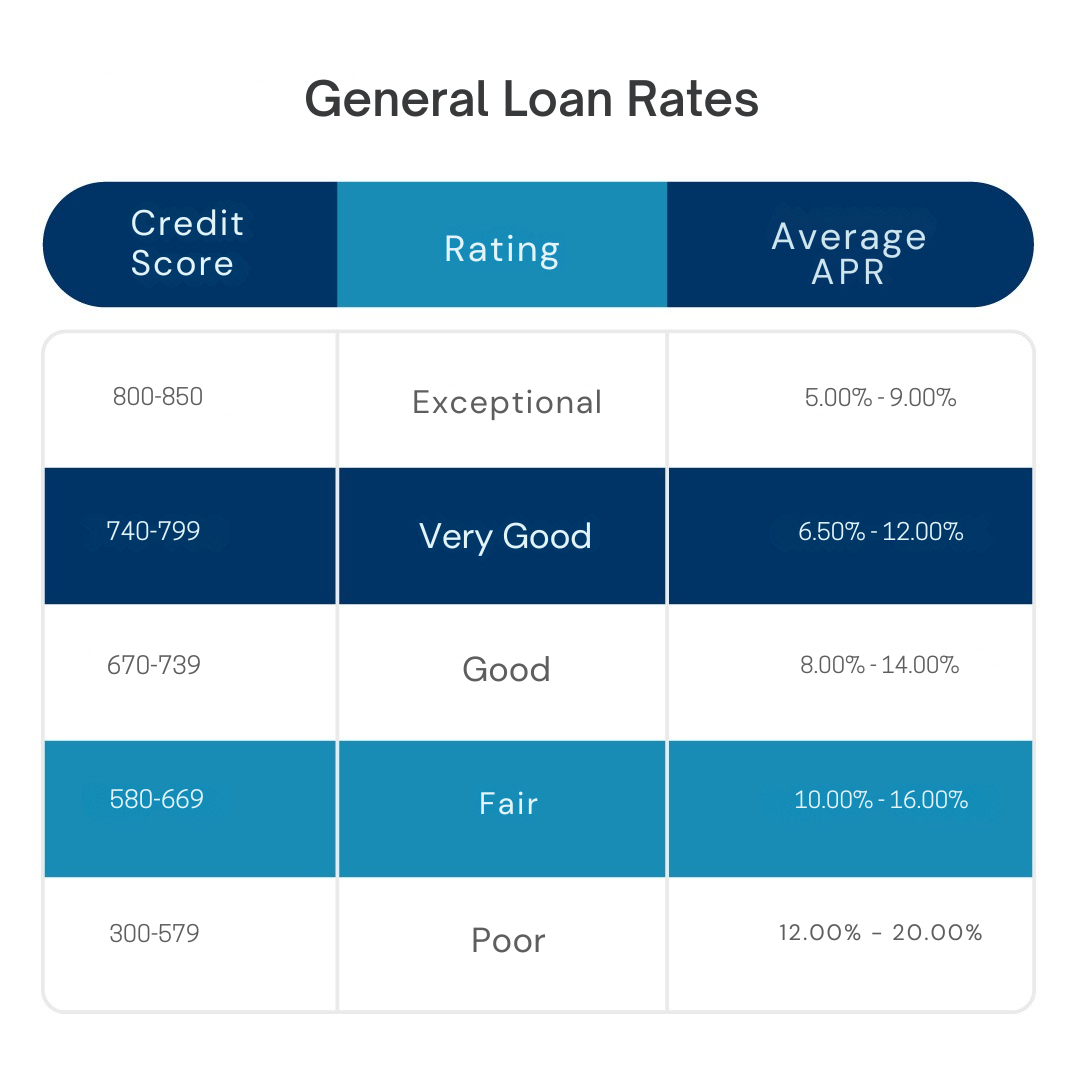
If you have large financial needs, a cash-out refinance can be an inexpensive way to get what you need. They tend to have lower rates than credit cards or personal loans, because the loan is secured by the real estate.
Cashing out refinances can help borrowers pay off higher interest rate debts such as credit cards and personal loans. Huge selection of funds available which can lower overall interest and help to simplify payments into one monthly mortgage payment.
While cash-out refinances can provide a significant amount of cash, they are different from other types of loans because it depends on the equity in a home. This is especially suited for valuable investments such as a business or home improvement that requires a considerable amount of financial resources.
A cash-out refinance will increase the amount of the mortgage, which will increase the borrowers' debt. This may lead to a higher risk and longer-term commitment if property values decrease.
However, a greater amount on loan can lead to bigger mortgage payments. The result may set a household's finances further back and reduced funds may be available for other expenses. As the loan is backed by the home, it may be foreclosed upon if it is not paid back. If borrowers can't make their payments, they may risk losing their property. If borrowers can't make their payments, they may risk losing their property.
Cash-out refinancing comes with significant closing, appraisal and administrative costs. These costs must be considered before going forward, since they reduce the net benefits of the money received. If borrowers can't make their payments, they may risk losing their property.
Since the loan is secured against the home, failure to repay may result in foreclosure. Borrowers risk losing their property if they are unable to meet repayment obligations.
Conclusion
A strong financial tool that enables homeowners to access the equity built in their property while still residing there is a cash-out refinance. It is available to provide liquidity for essential expenses such as urgent expenses, household enhancement, debt consolidation and education. Many borrowers like this option as it gives them access to money at comparatively lower interest rates when compared to unsecured loans. However, it also adds to the total mortgage amount which can lead to higher monthly payments and the total debt. Careful planning is required before choosing this option as the house itself serves as a guarantee and in case of default, there is an increased risk of foreclosure. Long-term goals and repayment capacity must be evaluated, as well as personal financial health. While cash-out refinances can be a positive aspect of person’s finances when used correctly, it can be difficult to maintain the finances of a person if they are being abused, or a person borrows excessively. It is a good loan option for many borrowers because it offers them a more favorable interest rate than unsecured loans. But it also increases the total amount of mortgage debt, and it could lead to longer term of mortgage payments and higher monthly payments. This may not be a prudent choice as the home serves as collateral, and as the payments are not made, the home may be foreclosed. If you’re considering a cash-out refinance, you’ll need to think about your personal finances, your ability to pay, and your general financial goals.
A cash out refinance may be better than a personal loan if you have a large financial need that will necessitate large amounts of money to access, such as a home improvement, debt consolidation, medical expenses, education costs, or business investments.
It depends on the loan-to-value ratio, rules of the lender, and the equity in the home.
Yes, borrowers will have to pay for closing costs, appraisal fees and other administrative costs, which may reduce the total value of the money received.
Eligibility requirements are good credit history and adequate experience and expertise in operating
the business. The SBA size and operational criteria for the business being acquired must also be met
to qualify for funding.
There are risks associated with a cash-out refinance such as higher monthly payments because the monthly mortgage payments will be higher in the new loan because of the larger loan amount. Risks include higher debt, higher monthly payments, risk of foreclosure, and long-term financial strain if borrowers are unable to make repayment well.

Outsource Capital LLC offers a multitude of benefits for businesses in search of loans. Through our extensive network of lenders, Outsource Capital enables businesses to tap into a broader pool of financing options, simplifying the application process and facilitating access to competitive loan terms. The network’s versatility and the expertise of its lenders make it an appealing choice for businesses of all scales.
With the ever-evolving lending landscape, exploring Outsource Capital’s network of lenders can present businesses with the necessary funding solutions to flourish and achieve success.
The information provided in this article is for informational purposes only and does not constitute financial or legal advice. Each business’s financial situation is unique, and it is recommended that businesses consult with qualified financial and legal professionals before making any financial or legal decisions. The accuracy and applicability of the information provided may vary depending on individual circumstances and should not be relied upon without independent verification. The author and the publisher of this article are not responsible for any financial losses, damages, or legal consequences arising from the use or reliance upon the information provided.
You cannot copy content of this page