

Over $50K
Annual Revenue
Over 6 Months
Time in business
600+
Credit Score


Annual Revenue
Time in business
Credit Score
Partner buyouts are among the most popular ways of transferring ownership in private companies. Whether retirement, succession planning, strategic differences, shareholder exits or any of the other reasons that might be driving these transactions, it is essential that these are undertaken with full value research, with careful structuring of the transaction, and with access to the finance sources required.
A buyout by one shareholder (or ownership group) of another shareholder’s (or ownership group’s) equity stake in an existing business is termed as partner buyout. In contrast to traditional acquisitions, where the buyer is not already familiar with the company’s operations, customer base, employees, and financial results, partner buyouts are transactions set up internally. These transactions are commonly used for: Identifying and discussing present and future retirement or succession plans, involving family businesses in restructuring its internal ownership, issues and disputes between the shareholders or among the strategic divisions, changes in ownership that are driven by management, full or partial ownership leaves are used. Lenders might look down on such transactions, but they might also look well on those from an external buyer if the company has demonstrated strong cash flow and management.
Because the purchasing owner already has first-hand expertise running the company, lenders frequently have a positive opinion on partner buyouts. This familiarity can enhance financing opportunities and lessen operating uncertainties. When there is continuity in the current management, lenders may feel more comfortable with the company’s ability to meet future obligations.
Unlike external acquisitions, partner buyouts help maintain valuable and longstanding customer relationships, industry knowledge and experience, and operating expertise. Keeping ownership in the business reduces the loss of important information that would support the performance and business’s competitive position.
Traditional sales are often accompanied by the adoption of other concepts of ownership, management, and operating. Partnership buyouts usually don’t encounter these scenarios and are more likely to involve a smooth transition without interruptions since the buyer already knows the business and its employees.
As part of due diligence, a sell to an outside buyer may require you to share confidential information about your operations, finances and customers. Partner buyouts eliminate this concern as the buying owner has access to numerous pieces of information in a business.
Changes in the ownership structure can occur by buyout of partners without disrupting on-going business operations. The purchasing owner is likely to have an interest in the company and the relationship with customers, employees and processes often remain unchanged. This continuity, which maintains stakeholder confidence, reduces the risk of transition.
Acquiring a partner's ownership percentage can speed up decision making and make governance easier. When fewer owners are involved, strategic efforts can be carried out more quickly. This organization can often help management implement expansion plans with a greater direction and organizational alignment and can often help resolve disputes between shareholders.
A partner buyout retains ownership within the current company as opposed to selling to an outside buyer. The constancy is frequently valued by workers, clients, suppliers, and lenders. Maintaining current relationships can help ensure brand reputation, company culture and help with a smoother transition.
A variety of funding sources, such as SBA loans, traditional bank financing, seller notes, private credit, and investor cash, can be used to organize partner buyouts. As a result of this flexibility, the customer can safeguard the operational liquidity whilst adjusting the financing to the transaction size, cash flow and long-term business goals.00000
Many partner buyouts will require acquisition finance which brings the company in debt. There could be some pressure on cash flow as a result of increased leverage, particularly during periods of slower development or economic downturn. Businesses have to ensure that they will have enough profits in the coming years to cover their operating and debt payments.
It can be difficult to determine a reasonable purchasing price. Partners can have differing views on the value of the business, its future growth and the market's condition. Disagreements regarding valuation may result in delay of transfers, negotiations difficulties and potential conflict between owners during the transition process.
The amount of money available for future investments may be decreased if a buyout is financed by debt or cash reserves. Short-term growth objectives might be affected as well because companies might not have extra resources for hiring, investing in equipment, advertising and marketing campaigns, or expansion post deal.
Transitions of leadership can bring about anxiety even if the ownership remains internal. It might be difficult to replace an important relationship with the client, institutional knowledge or other duties left behind by the departing partner. Businesses may encounter disruptions that impact performance and long-term stability in the absence of a formal transition plan.
Conclusion
Partner buyouts are a prudent and proven business buyout option for business owners who wish to make ownership transition smoother and keep the business running smoothly. These will allow existing operators to take more ownership without external purchasers, driven by a range of factors such as retirement, succession planning, shareholder exits and strategic restructuring. If they are properly established, partner buyouts can be beneficial to both the exiting and remaining partners. They provide a way to maintain corporate culture, keep client relationships alive and ensure leadership continuity. But careful planning of valuation, financing structure, cash flow management and post-closing operations are required for transaction to be successful. Financing options like SBA 7(a) loans, traditional bank financing, seller financing, private financing, and investor capital can be used to purchase the business without having to sacrifice working cash flow to future growth projects. Lenders and investors typically examine the overall financial health, profitability, management experience and liquidity of the business before making any loan.
When one owner buys out another partner’s ownership stake in an already-existing company, this is known as a partner buyout. Such transactions are often used in succession planning, exit transactions, shareholder restructuring and retirement transactions.
In fact, among the most preferred funding alternatives that are offered for the partner buyout in a small and mid-sized business is SBA 7(a) change of ownership loans. Partial or complete ownership transfers may be financed by SBA lenders if the company exhibits steady cash flow and skilled management.
There are many instances in which partner buyouts are negotiated with a combination of:
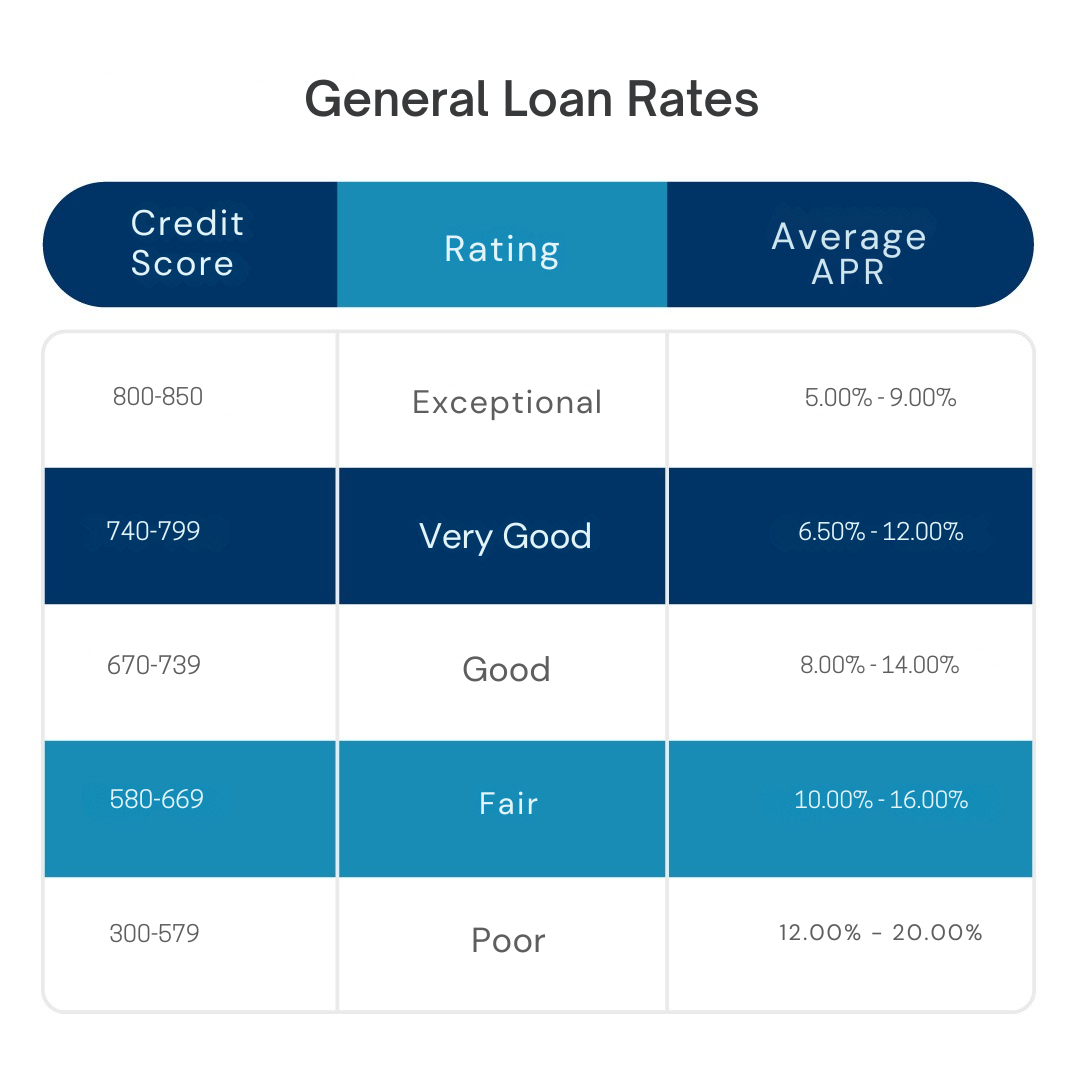
Typical factors lenders consider include profitability, debt service coverage ratio (DSCR), recurring income, management experience, post-close liquidity, customer diversification and seller transition support. Good financial and business stability improves funding opportunities in general.
Partner buyout is common in various sectors such as HVAC, manufacturing, healthcare, logistics, construction, professional services, and franchise companies with consistent cash flows and income.

Outsource Capital LLC offers a multitude of benefits for businesses in search of loans. Through our extensive network of lenders, Outsource Capital enables businesses to tap into a broader pool of financing options, simplifying the application process and facilitating access to competitive loan terms. The network’s versatility and the expertise of its lenders make it an appealing choice for businesses of all scales.
With the ever-evolving lending landscape, exploring Outsource Capital’s network of lenders can present businesses with the necessary funding solutions to flourish and achieve success.
The information provided in this article is for informational purposes only and does not constitute financial or legal advice. Each business’s financial situation is unique, and it is recommended that businesses consult with qualified financial and legal professionals before making any financial or legal decisions. The accuracy and applicability of the information provided may vary depending on individual circumstances and should not be relied upon without independent verification. The author and the publisher of this article are not responsible for any financial losses, damages, or legal consequences arising from the use or reliance upon the information provided.