

Over 100,000+
Annual Revenue
Over 2+ Year
Time in business
680+
Credit Score


Annual Revenue
Time in business
Credit Score
SBA loans help small companies grow. Before investing in such funding, a company’s owners must weigh the pros and cons. In this essay, we’ll examine Small Business Administration loans’ pros, cons, and possible concerns.
An SBA loan, short for Small Business Administration loan, is a type of loan program offered by the U.S. Small Business Administration (SBA) to support small businesses. The SBA itself doesn’t directly lend money but partners with approved lenders, such as banks and credit unions, to provide funding to eligible small businesses.
SBA loans typically offer more favorable terms and lower interest rates than conventional loans, making them an attractive option for small businesses with limited access to capital. The SBA provides various loan programs, including 7(a) loans, 504 loans, and microloans, each tailored to meet different business needs.
These loans are known for their longer repayment terms and more flexible eligibility criteria, making them an essential source of funding for small businesses looking to start, expand, or manage their operations.
New and current firms with yearly sales under $1 billion may get money from traditional lenders via Small Business Administration (SBA) loans. SBA loans are government-backed. The SBA guarantees a portion of the loan, reducing the risk for lenders and increasing the chances of approval for borrowers.
SBA loans often have low-interest rates. The SBA sets maximum interest rate limits, ensuring that small businesses can secure funding at reasonable rates, reducing the overall cost of borrowing.
SBA loans provide flexibility in terms of how the funds can be used. The cash may be used for working capital, equipment, real estate, and debt refinancing.
Successfully managing an SBA loan can help small businesses establish or improve their credit history. Timely payments and responsible financial management can enhance their creditworthiness, facilitating future borrowing opportunities.
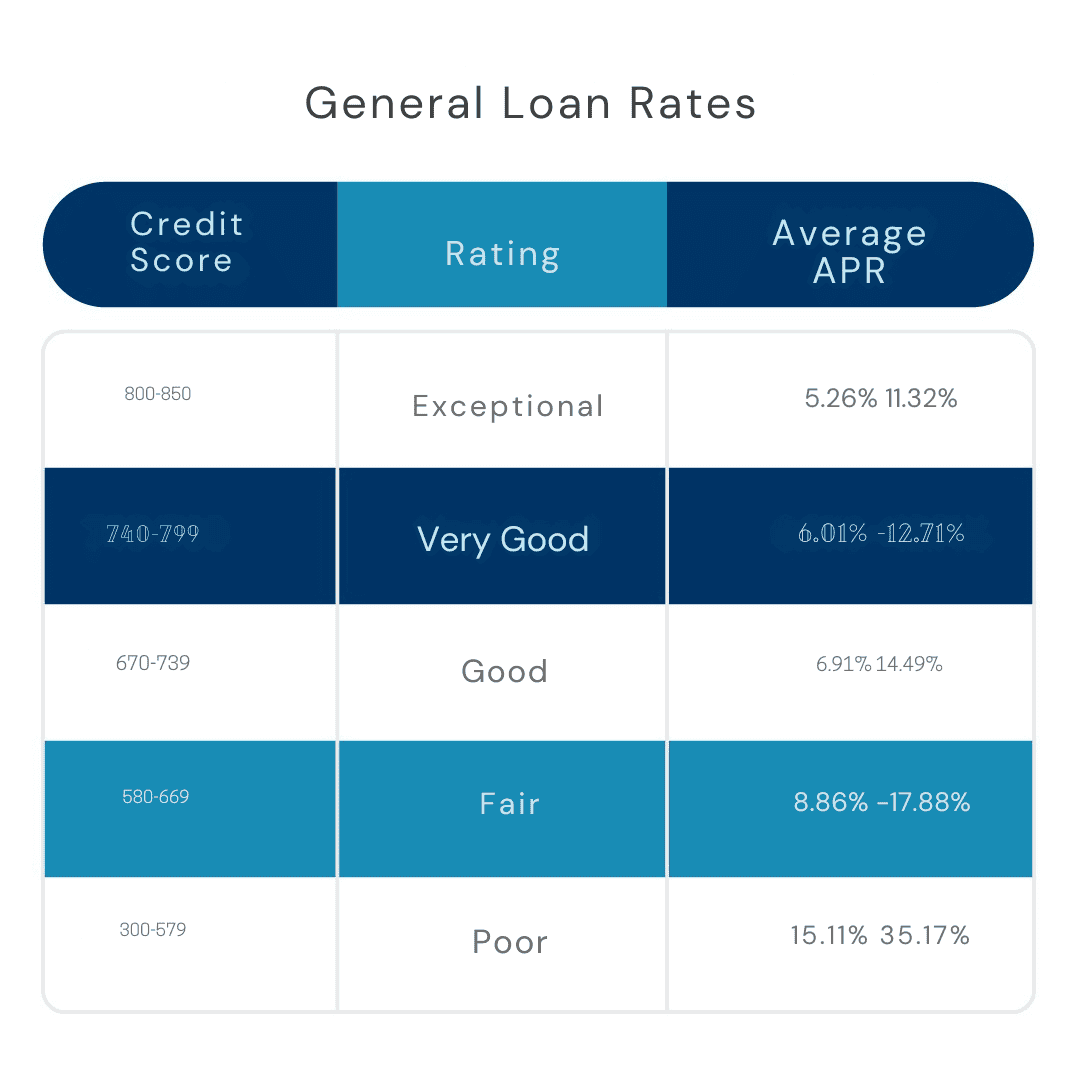
SBA loans generally require lower down payments compared to traditional loans. This allows small businesses to conserve their capital and allocate it to other essential aspects of their operations.
SBA loans are accessible to startup businesses, enabling entrepreneurs to obtain the necessary capital to launch their ventures. Startups often face challenges in securing financing, but SBA loans provide a viable option for new business owners.
SBA loans involve a detailed application process that requires extensive documentation and review. For businesses that need cash immediately, it may not be the greatest solution because of the clearing process.
SBA loans involve a detailed application process that requires extensive documentation and review. The approval process can be time-consuming, which may not be suitable for businesses in need of immediate funding.
SBA loans have specific eligibility requirements that businesses must meet. These criteria may include demonstrating a strong credit history, providing collateral, and meeting size standards. Failing to meet these requirements can result in loan denial.
SBA loans often require a personal guarantee from the business owners. If the firm can't return the loan, the owners' assets may be in jeopardy.
Conclusion
SBA loans offer significant advantages for small businesses, including accessibility, favorable interest rates, flexible use of funds, and longer repayment terms. They can be a valuable financing option for startups and businesses looking to expand. However, it’s essential to consider the cons, such as the lengthy application process, strict eligibility criteria, and personal guarantee requirements. By weighing the advantages and disadvantages, business owners can make informed decisions about whether SBA loans are the right fit for their specific circumstances.
An SBA Loan is a financing option for small businesses partially guaranteed by the U.S. Small Business Administration, helping businesses access funds with favorable terms.
Eligibility generally requires that businesses be U.S.-based, for-profit, and meet certain size standards. Specific programs may have additional requirements.
Applications are submitted through SBA-approved lenders. The process typically requires financial documents, a business plan, tax returns, and personal credit information.
The main options include:
Rates are generally lower than traditional loans, often based on the prime rate plus a small percentage. Repayment terms can go up to 25 years for real estate and 10 years for working capital.
Yes, some SBA loan programs allow refinancing to improve payment terms or business cash flow.

Outsource Capital LLC offers a multitude of benefits for businesses in search of loans. Through our extensive network of lenders, Outsource Capital enables businesses to tap into a broader pool of financing options, simplifying the application process and facilitating access to competitive loan terms. The network’s versatility and the expertise of its lenders make it an appealing choice for businesses of all scales. With the ever-evolving lending landscape, exploring Outsource Capital’s network of lenders can present businesses with the necessary funding solutions to flourish and achieve success.
The information provided in this statement does not constitute financial or legal advice. Businesses should exercise their own judgment and consult with qualified financial and legal professionals before making any financial or legal decisions. Outsource Capital LLC and its network of lenders are not liable for any financial losses, damages, or legal consequences resulting from the use or reliance upon the information provided. The lending landscape and applicable laws and regulations may change over time, and businesses should conduct independent research to ensure the accuracy and relevance of the information in relation to their specific circumstances.
We connect businesses with a network of lenders to facilitate access to various financing options. Still, the decision to apply for a loan and the choice of lender remains solely with the user.
Outsource Capital LLC does not guarantee the accuracy, completeness, or timeliness of the information provided, nor does it guarantee the approval of any loan application or the terms of any loan offer.
You cannot copy content of this page