

Over $250,000+
Annual Revenue
Over 3+
Time in business
680
Credit Score


Annual Revenue
Time in business
Credit Score
Smooth business operations are fundamental to any successful enterprise. In Article 93, we explore ‘Operational Loans,’ a financial solution designed to sustain and enhance day-to-day business activities. This guide delves into the advantages and potential challenges associated with operational loans, showcasing how these financial tools empower businesses to invest in inventory, marketing, technology, and other essential aspects of operations. Join us on this business-focused exploration as we unravel how operational loans facilitate seamless business functions, ensuring consistent growth and efficiency, all while understanding the considerations that come with borrowing to sustain operational excellence.
Operational loans are financial tools designed to cover day-to-day business expenses and operational costs. Imagine you run a business, and you need funds for inventory, payroll, utilities, or other routine expenses. Operational loans provide essential working capital, ensuring the smooth operation of your business. It’s like having a financial safety net that keeps your business running efficiently. These loans are vital for businesses to manage cash flow fluctuations, invest in growth opportunities, and navigate unforeseen challenges. Understanding the terms, interest rates, and repayment schedules is crucial for businesses to maintain financial stability and sustainability.
Operational loans provide businesses with the necessary funds to maintain day-to-day activities. This ensures that companies can continue running smoothly by covering essential expenses like payroll, inventory, and utilities without interruption.
These loans offer businesses flexibility in how the funds are spent. Whether it’s purchasing new equipment, increasing marketing efforts, or investing in technological upgrades, operational loans allow businesses to direct funds toward areas that will enhance operational efficiency and growth.
By providing a financial cushion, operational loans help businesses manage cash flow fluctuations. This stability ensures that companies can continue to meet their obligations during periods of inconsistent revenue or unexpected costs, safeguarding long-term sustainability.
Operational loans are designed for fast approval and disbursement, allowing businesses to access funds quickly. This is particularly beneficial for companies that need immediate financial support to seize time-sensitive opportunities or address urgent operational needs.
Many operational loans come with flexible repayment schedules that can be tailored to match a business’s cash flow. This allows companies to manage loan repayments without straining their finances, ensuring that operational needs can be met while keeping the business financially healthy.
These loans help businesses maintain smooth operations by ensuring they have enough working capital to cover everyday expenses, such as inventory and payroll.
The funds can be used for various operational needs, from purchasing new technology to improving marketing strategies, giving businesses the flexibility to address immediate challenges and future opportunities.
Operational loans provide a financial safety net, enabling businesses to continue their operations even in times of economic uncertainty or market downturns.
Operational loans can also be used to support growth initiatives, such as opening new locations, expanding into new markets, or launching new products, ultimately boosting business growth and profitability.
Lenders who give these loans often know a lot about business. They can guide you to make smart choices.
The funds from operational loans are often designated for specific operational needs, limiting the borrower’s ability to use the money for other business expenses or investments.
While operational loans provide quick financial relief, the long-term repayment obligations can strain the business’s financial resources over time.
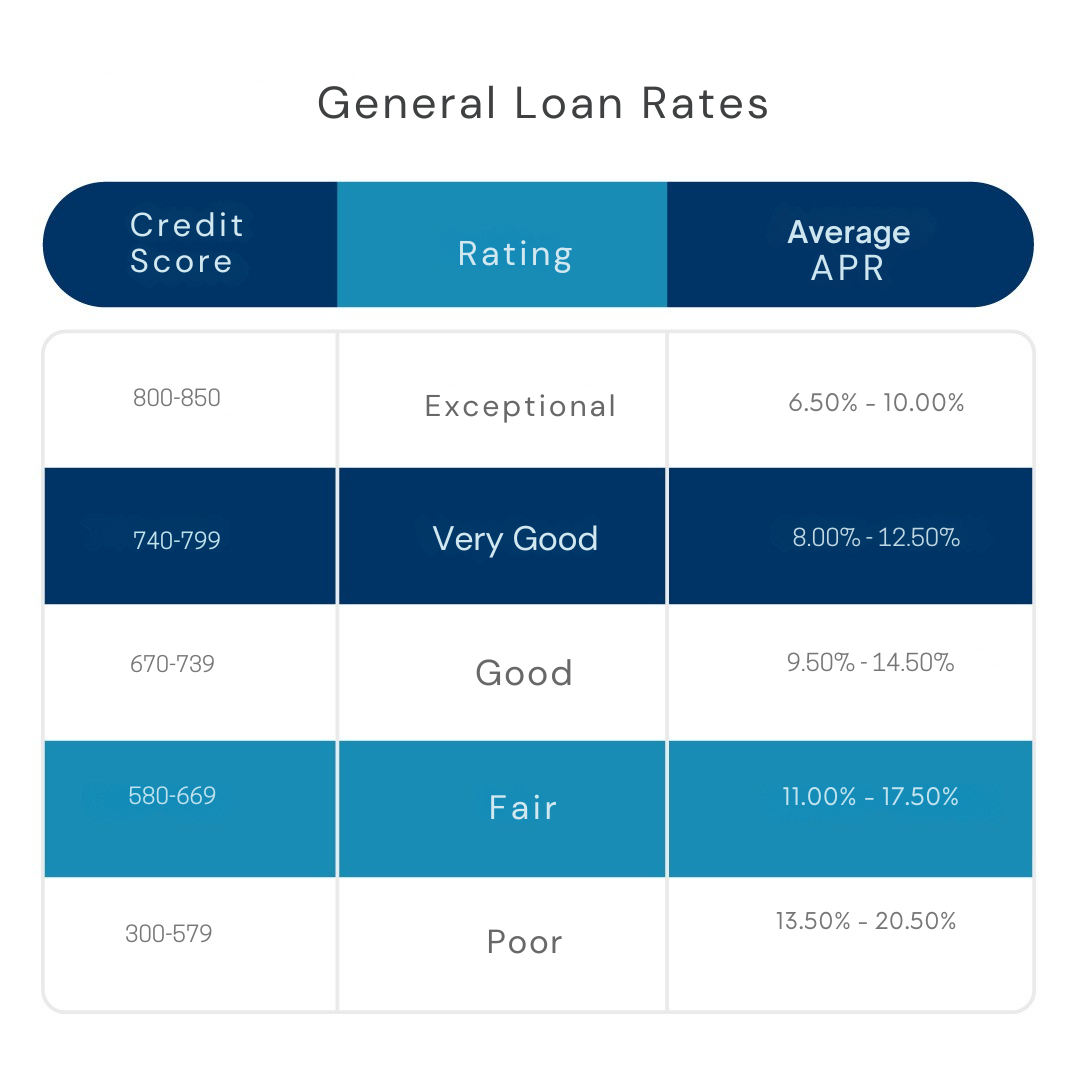
Due to the risk involved, lenders often charge higher interest rates on operational loans, which can increase the overall cost of borrowing and negatively impact a business’s financial health.
Repayments on operational loans can affect cash flow, especially when businesses need to balance regular loan installments with other financial commitments, leading to potential liquidity issues.
Conclusion
Businesses need operational financing to operate properly. These loans are meant to pay operating expenditures, enabling enterprises to continue operations. Operational loans help firms grow by funding inventory, payroll, and overhead.
One of the primary uses of operational loans is managing cash flow. Businesses often face fluctuations in their revenue streams, and there are times when cash reserves are insufficient to cover essential expenses. Operational loans bridge this gap, providing businesses with the funds needed to continue their operations seamlessly. This is especially crucial for small and medium-sized enterprises (SMEs) that might lack substantial financial reserves.
Operational loans may be short-term or long-term depending on the firm. Supply, utility, and unexpected bill payments are common uses for short-term operating loans. However, long-term operational loans might be utilized for strategic expenditures like manufacturing capacity or technological upgrades.
These loans also play a significant role in managing inventory levels. For businesses dealing with seasonal demands or market trends, maintaining optimal inventory levels is essential. Operational loans enable businesses to purchase inventory in bulk, take advantage of discounts from suppliers, and meet customer demands promptly.
Operational loans can help for expansion. Businesses frequently need more money to hire more people, invest in marketing, or build more locations to grow. Businesses may capitalize on growth prospects without financial restraints using operational loans.
However, enterprises should be cautious with operational borrowing. It’s vital to analyze the business’s cash flow and budget to calculate a manageable loan amount. Mismanagement of operational loans may raise debt and financial instability, hurting the business’s long-term prospects.
In conclusion, operational loans serve as a lifeline for businesses, enabling them to navigate financial challenges and sustain their operations. Properly utilized, these loans empower businesses to manage cash flow, invest in growth, and respond effectively to market demands, ensuring their continued success in a competitive landscape.
An operational loan is a type of business financing specifically designed to cover day-to-day operating expenses for businesses. These expenses can include employee wages, utility bills, inventory replenishment, and other essential costs required to keep the business running smoothly. Operational loans help businesses bridge financial gaps and maintain their operations without disruptions.
Operational loans offer flexibility in usage. Business owners can utilize these funds to manage various aspects of their operations, such as purchasing inventory, investing in marketing campaigns, covering payroll, or expanding their business. The key is to allocate the loan strategically to enhance the overall efficiency and growth potential of the business.
Eligibility criteria can vary among lenders. Generally, lenders assess the business’s financial health, creditworthiness, and ability to repay the loan. They may consider factors like the business’s revenue, profitability, credit history, and time in operation. Meeting these criteria demonstrates to lenders that your business is capable of responsibly managing the borrowed funds.
Operational loan approval times depend on the lender and your business’s financial complexity. Some lenders approve enterprises quickly, giving them funding within a few working days. To speed up the application procedure, financial accounts and business strategies must be prepared in advance.
Startups and small enterprises may use operational loans, as can established firms. Lenders adapt loan programs to enterprises at various phases of growth. To prove their feasibility and potential, startups may require extensive business strategies and financial predictions.

Outsource Capital LLC offers a multitude of benefits for businesses in search of loans. Through our extensive network of lenders, Outsource Capital enables businesses to tap into a broader pool of financing options, simplifying the application process and facilitating access to competitive loan terms. The network’s versatility and the expertise of its lenders make it an appealing choice for businesses of all scales.
With the ever-evolving lending landscape, exploring Outsource Capital’s network of lenders can present businesses with the necessary funding solutions to flourish and achieve success
The information provided in this article is for informational purposes only and does not constitute financial or legal advice. Every business’s financial situation is unique, and it is recommended that businesses consult with qualified financial and legal professionals before making any financial or legal decisions. The accuracy and applicability of the information provided may vary depending on individual circumstances and should not be relied upon without independent verification. The author and the publisher of this article are not responsible for any financial losses, damages, or legal consequences arising from the use or reliance upon the information provided.
We connect businesses with a network of lenders to facilitate access to various financing options. Still, the decision to apply for a loan and the choice of lender remains solely with the user.
Outsource Capital LLC does not guarantee the accuracy, completeness, or timeliness of the information provided, nor does it guarantee the approval of any loan application or the terms of any loan offer.
You cannot copy content of this page