

Over $50K
Annual Revenue
Over 6 Months
Time in business
600+
Credit Score


Annual Revenue
Time in business
Credit Score
Mezzanine financing is frequently used by businesses to finance expansion or mergers and acquisitions, where traditional loans have been exhausted. It is more expensive in the capital structure than equity but less expensive than senior debt. For the investors it is a higher risk and a higher return. It is also a vital financing as it offers flexible funding alternatives to businesses which require extra cash with minimum initial equity dilution and growth in competitive monetary markets.
Mezzanine financing is a type of subordinated debt that is usually coupled with an equity stake (warrants or conversion rights). It is held with senior debt but has a higher priority to repayment than equity. Under these circumstances, during a liquidation, a mezzanine lender will have priority over senior lenders but as a precaution will fall behind the equity investors. Normally, the interest rates of mezzanine financing are higher because the risk level is increased. It’s often employed in leveraged buyouts and acquisitions, as well as expansions when companies require more capital than what conventional lenders are willing to give. Mezzanine financing is a type of debt that is part debt and part equity that offers better terms to both borrower and investor, with flexible repayment, deferred interest and sometimes an ownership stake.
Mezzanine Financing offers flexible capital structure with interest-only or deferred payments. This enables companies to effectively manage cash flow, especially when the company is growing. These funds can be used for growth without the constraint of any heavy repayment now. This also helps in easing the process of financial planning and maintains operational stability in competitive markets.
Mezzanine financing can be equity-based, but typically is less dilutive than a new equity raise. Business owners get enough capital and maintain control. This is appealing for companies looking to grow, but not willing to relinquish too much equity or control to outside investors.
Mezzanine financing is frequently used for major deals such as mergers and acquisitions, and a leveraged buyout. It provides funding on top of the senior debt and equity portion of a deal to make it possible that couldn’t otherwise be done because there wasn’t a lot of traditional financing options or lending restrictions.
This can be the funding option for companies to pursue aggressive business growth strategies, such as opening new markets and product lines. “Mezzanine financing allows companies to access more funding than they can get with senior debt to grow their operations faster and compete in the market in fast-paced and competitive industries,” says the company.
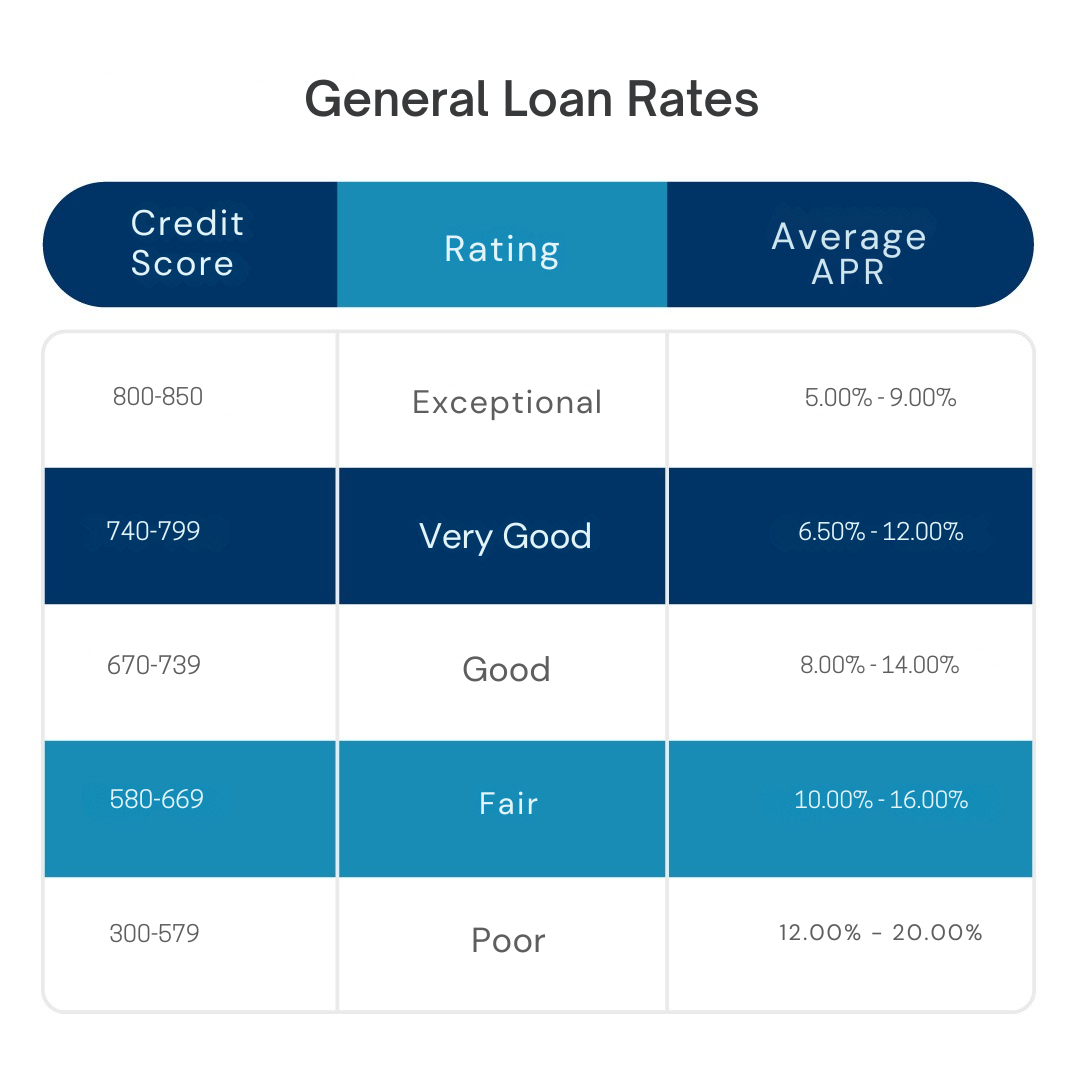
Mezzanine finance gives additional funds to a borrower if there is a lack of traditional financing. The primary benefit of mezzanine finance is that it gives the borrower additional capital when they do not have it from a traditional funding source.
Mezzanine finance is a financing option that can be used to raise large amounts of financing once a firm’s senior debt needs have been satisfied. It allows companies to get funding for expansion or acquisitions without having to be fully equity financed. This additional investment increases the company’s capital, allowing them to pursue their business expansion plans.
Mezzanine financing is a common feature of leveraged buyouts and private equity. It fills the ‘gap in the funding chain' between senior lenders and equity investors. This provides greater flexibility in more complicated deals and enables investors to design deals that have a better capital efficiency and risk distribution.
In general, there is no “kick out” of equity in mezzanine financing. When business owners have borrowed funds, they can have control and grow their business. Whereas, interest deduction is deferred, even when equity is involved.
Mezzanine financing is at a higher risk level and more expensive than standard debt. Lenders will seek a higher rate of return as well as possible equity stake. This will raise the cost of capital which may impact profitability if the business does not yield enough returns to meet the cost of the capital.
Senior debt holders are repaid before the mezzanine lenders. These are paid at the end of the creditors list in a financial difficulty or winding up situation. This increases the risk for investors and could reduce the number or widen the cost of borrowing for businesses that want such financing.
Mezzanine financing may be accompanied by a complicated agreement like warrants, covenants and conversion rights. They're difficult to manage and negotiate structures. Transaction costs rise due to legal and administrative complexity, and can delay the flow of funds or decision-making can be delayed.
Mezzanine financing can be structured to include a delayed conversion to equity and/or warrants. They can be exercised and dilute the current ownership. This dilution could dilute the long term control of original shareholders, especially during good years when the company's performance is attractive to investors wishing to convert.
Conclusion
The concept of mezzanine financing is very significant in the world of modern corporate finance as it lies in the middle of senior debt and equity funding. It is used by companies when conventional sources of financing are unavailable or when companies are considering a leveraged buyout, an acquisition or expansion. Its hybrid nature allows companies to have a debt-type source of funding and equity-type returns for investors, in between risk and reward. And its repayment plans are flexible and can be tailored to your cash flow needs. However, mezzanine financing has some disadvantages such as expensive financing, complex legal agreements and dilution of ownership through equity conversion features. Despite its disadvantages, it is a good financing tool for companies ready for fast growth without immediate equity. This is especially attractive in private equity deals with a multi-tired capital structure. Using mezzanine financing, companies can increase their financial resources, finance large investments and pursue aggressive growth strategies. It hinges on its design, its financial performance and how well the interests of investors and borrowers match up on the long-term expectations of the business and its risks.
Mezzanine financing is a hybrid debt equity financing It is referred to as “mezzanine financing” because it exists between two levels of debt: upper-level debt (which is typically held by bondholders) and lower-level debt (which is usually secured by collateral).
Private equity firms, mid-sized companies and companies in growth phases make frequent use of mezzanine financing. Mezzanine financing, in particular, is beneficial when companies need additional funds beyond what can be obtained through traditional bank financing.
It is a hybrid of debt and equity. It has many of the same characteristics as debt, in terms of the interest payments, but it may have some equity characteristics as well, such as conversion rights or warrants from investors.
payments, enhance business cash flow and make business debt easier to manage for the new owner.
Leveraged buyouts, mergers and acquisitions, business expansion, recapitalization, and growth projects are common uses where the capital needs cannot be met by traditional sources of finance.
This is significant because it has the ability to bridge the debt/equity ratio, thus permitting companies to raise capital to extend their expansion, acquisition and growth, which would otherwise be difficult.

Outsource Capital LLC offers a multitude of benefits for businesses in search of loans. Through our extensive network of lenders, Outsource Capital enables businesses to tap into a broader pool of financing options, simplifying the application process and facilitating access to competitive loan terms. The network’s versatility and the expertise of its lenders make it an appealing choice for businesses of all scales.
With the ever-evolving lending landscape, exploring Outsource Capital’s network of lenders can present businesses with the necessary funding solutions to flourish and achieve success.
The information provided in this article is for informational purposes only and does not constitute financial or legal advice. Each business’s financial situation is unique, and it is recommended that businesses consult with qualified financial and legal professionals before making any financial or legal decisions. The accuracy and applicability of the information provided may vary depending on individual circumstances and should not be relied upon without independent verification. The author and the publisher of this article are not responsible for any financial losses, damages, or legal consequences arising from the use or reliance upon the information provided.