

Over 100,000+
Annual Revenue
Over 1+ year
Time in business
680+
Credit Score


Annual Revenue
Time in business
Credit Score
Planning for the future often involves securing financial stability over the long term. In Article 82, we delve into ‘Long-term Loans,’ a financial option designed to support significant investments and future endeavors. This guide explores the advantages and potential drawbacks of long-term loans, shedding light on how these loans can facilitate ambitious projects and provide a structured approach to financial planning. Join us on this forward-thinking journey as we unravel how long-term loans empower individuals and businesses to embark on ventures that span years, all while understanding the considerations that come with long-term financial commitments.”
Long-term loans are borrowing arrangements with extended repayment periods, often exceeding one year. Imagine you need significant funding for a business expansion or a major project. Long-term loans provide substantial capital with a repayment plan spanning several years. It’s like having a financial partnership for the long haul, allowing businesses to invest in substantial growth initiatives. These loans offer lower monthly payments compared to short-term loans, providing stability and flexibility for businesses to manage large-scale projects or navigate economic fluctuations. However, they often require extensive documentation and a strong credit history for approval.
Similar to long-term loans, investing in a franchise offers long-term financial development. The secure business model provides stability, ensuring steady income streams and financial growth, in line with long-term repayment schedules of loans.
Just like long-term loans are trusted for their extended support, franchises come with the invaluable asset of brand recognition. A recognized brand attracts customers, boosting market presence and aligning with the reliability that borrowers seek in loan providers.
Franchises offer comprehensive training and continuous support, much like the guidance provided by long-term loans. This mentorship ensures franchisees are well-equipped to navigate business complexities, while long-term loan providers offer support for managing finances and adjusting to economic changes.
Both franchises and long-term loans benefit from economies of scale. Franchisees enjoy collective purchasing power, securing favorable terms for supplies and equipment, leading to healthier profit margins and long-term sustainability, similar to the financial stability of long-term loans.
Franchises come with proven marketing strategies, eliminating the need for extensive planning. This allows franchisees to focus on business execution, just as long-term loans provide financial stability without requiring significant efforts in marketing, ensuring streamlined business growth.
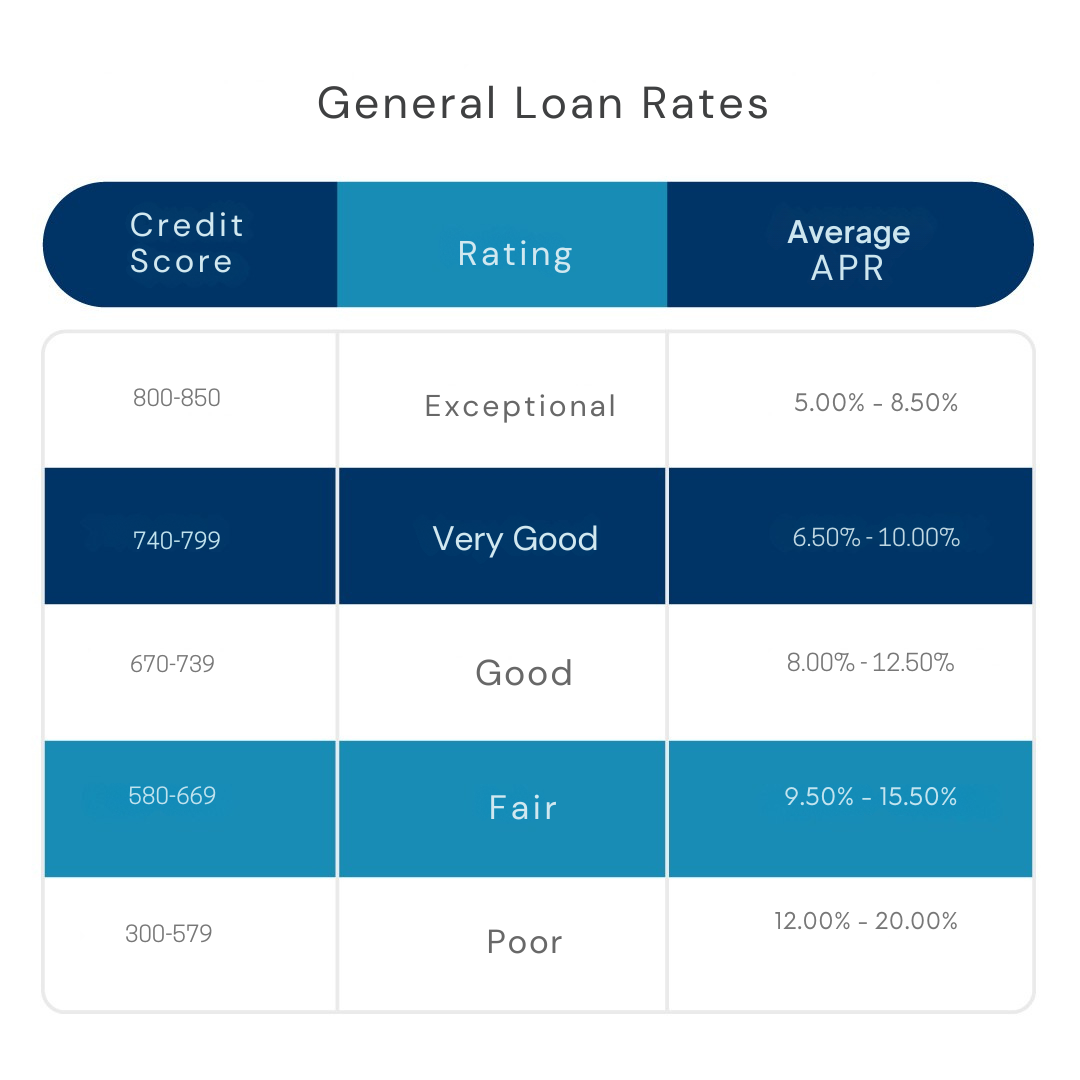
Long-term loans offer predictable repayment schedules, simplifying financial planning for businesses, as the borrower can anticipate regular payments over an extended period.
These loans provide financing for significant projects such as expanding businesses, acquiring equipment, or purchasing real estate, enabling substantial growth and investment opportunities.
With certain long-term loans, fixed interest rates protect borrowers from market fluctuations, offering financial predictability and stability throughout the life of the loan.
The interest on long-term business loans may be tax-deductible, offering businesses a potential tax benefit that can reduce their overall financial burden.
Long-term loans often come with larger interest payments due to their extended repayment terms. This results in higher borrowing costs compared to short-term loans, which can reduce overall financial benefits.
Long-term loans are susceptible to interest rate fluctuations and changes in the economy. If interest rates rise or inflation impacts the economy, borrowers may face higher monthly payments, straining their financial resources.
The fixed terms of long-term loans limit flexibility. Borrowers may struggle if their financial situation changes, and renegotiating loan terms can be difficult. Prepayment penalties may also discourage early repayment.
Long-term loans allow for substantial borrowing, which can lead to overestimation of repayment ability. If income or business revenue does not meet expectations, it may result in missed payments and financial instability.
Conclusion
Long-term loans are essential for people, organizations, and governments planning long-term initiatives and investments. These loans, usually repaid over many years, fund real estate developments, significant infrastructure projects, and corporate growth.
The longer payback time of long-term loans is a major benefit. This longer-term gives borrowers the flexibility to manage financial flows. Businesses may spread revenues over many years to pay off loans without disrupting operations.
Strategic activities that need large funding benefit from long-term financing. Long-term loans may help real estate developers buy land, erect buildings, and form communities. Governments may use these loans to build roads, bridges, and public utilities, boosting economic development and public services.
For borrowers seeking affordable finance, long-term loans frequently have reasonable interest rates. Lower interest rates mean companies and organizations may spend more on projects and less on loans.
However, long-term loan applicants must evaluate their finances and project feasibility. For loan repayment without financial hardship, the borrower requires financial preparation and risk analysis. Analyze market, interest rate, and economic elements to forecast and control risks.
Lastly, long-term loans enable large investments and economic progress. Businesses, governments, and people utilize them for strategic value, extended paybacks, and cheap interest rates. Borrowers must plan, manage risk, and follow financial best practices to maximize long-term loan potential and goals.
Livestock loans are financial products designed to assist farmers and ranchers in acquiring, maintaining, or expanding their livestock operations. These loans can cover various aspects, including purchasing livestock, building shelters, buying feed, and covering veterinary expenses.
Animal loans may purchase animals, develop livestock facilities, buy feed and supplements, support veterinary treatment, and more.
Eligibility criteria vary among lenders and financial institutions. Typically, farmers need to demonstrate a viable livestock operation, a repayment plan, and sometimes collateral to secure the loan.
Cattle, poultry, and dairy farm loans are available. These loans are tailored to particular livestock enterprises.
Interest rates and payback periods depend on the lender, borrower, and loan arrangement. Some loans have fixed rates, while others have market-based rates.
Collateral requirements depend on the lender and the loan amount. In some cases, the livestock being financed serves as collateral. Other assets or property may also be used to secure the loan.
Some livestock loans allow borrowers to finance not only livestock but also essential equipment, vehicles, or infrastructure needed for the operation.

Outsource Capital LLC offers a multitude of benefits for businesses in search of loans. Through our extensive network of lenders, Outsource Capital enables businesses to tap into a broader pool of financing options, simplifying the application process and facilitating access to competitive loan terms. The network’s versatility and the expertise of its lenders make it an appealing choice for businesses of all scales. With the ever-evolving lending landscape, exploring Outsource Capital’s network of lenders can present businesses with the necessary funding solutions to flourish and achieve success.
The information provided in this article is for informational purposes only and does not constitute financial or legal advice. Every business’s financial situation is unique, and it is recommended that businesses consult with qualified financial and legal professionals before making any financial or legal decisions. The accuracy and applicability of the information provided may vary depending on individual circumstances and should not be relied upon without independent verification. The author and the publisher of this article are not responsible for any financial losses, damages, or legal consequences arising from the use or reliance upon the information provided.
We connect businesses with a network of lenders to facilitate access to various financing options. Still, the decision to apply for a loan and the choice of lender remains solely with the user.
Outsource Capital LLC does not guarantee the accuracy, completeness, or timeliness of the information provided, nor does it guarantee the approval of any loan application or the terms of any loan offer.
You cannot copy content of this page