

Over 100,000+
Annual Revenue
Over 1+ year
Time in business
680+
Credit Score


Annual Revenue
Time in business
Credit Score
Life insurance often serves as a safety net for the future. In Article 80, we explore ‘Life Insurance Loans,’ a financial option that allows policyholders to borrow against their life insurance policies. This guide delves into the intricacies of life insurance loans, highlighting how these loans can provide a source of funds for various needs. Join us on this financial journey as we unravel how life insurance loans empower individuals to leverage their insurance policies, accessing funds while preserving the security of their life insurance coverage, all while understanding the considerations that come with this borrowing method.”
Life insurance loans allow policyholders to borrow money from their life insurance policies. Say you need money from your life insurance. These loans let you borrow against the policy’s cash value without relinquishing it. This is like a life insurance financial safety net. smaller interest rates and smaller death benefits are typical of these loans. Life insurance loans allow policyholders to borrow money for emergencies or anticipated costs without losing their coverage.
Franchise investing, similar to Life Insurance Loans, offers a sense of financial freedom and security. Life insurance provides a safety net for individuals and businesses, helping secure loans. Similarly, franchises offer a reliable business model, making it easier to secure financing. A franchise offers the stability of an established company, increasing your chances of financial success through secure and trusted financing options.
Just as life insurance policies provide assurance through reputable institutions, franchises come with the advantage of brand recognition. Established franchises possess a strong brand identity that attracts customers quickly, increasing your market presence. Lenders also trust life insurance policies due to their association with trusted financial institutions, which aligns with the trust necessary to succeed in both life insurance loans and franchising.
Franchises offer essential training and continuous support, similar to the assistance provided by life insurance loan providers. Franchisees receive mentorship from experienced professionals, ensuring they are equipped to navigate the complexities of business operations. Likewise, life insurance loan providers guide borrowers through the loan process, helping them understand the terms and manage their loans effectively. This professional support is crucial for achieving financial success in both areas.
Franchisees benefit from collective purchasing power, reducing costs and improving profit margins, much like the economies of scale seen in life insurance loans. These advantages allow franchisees to operate efficiently and sustain long-term profitability. Lenders often favor businesses with strong financial practices and solid profit margins, which in turn can improve the chances of securing additional financial support, such as life insurance loans.
Both franchises and life insurance loans benefit from established marketing strategies. Franchises provide pre-designed advertising and promotional materials, allowing franchisees to focus on operations rather than creating marketing campaigns from scratch. Similarly, life insurance policies are marketed efficiently by institutions, making the process smoother for both lenders and borrowers. This strategic marketing support ensures consistent growth for both business owners and borrowers.
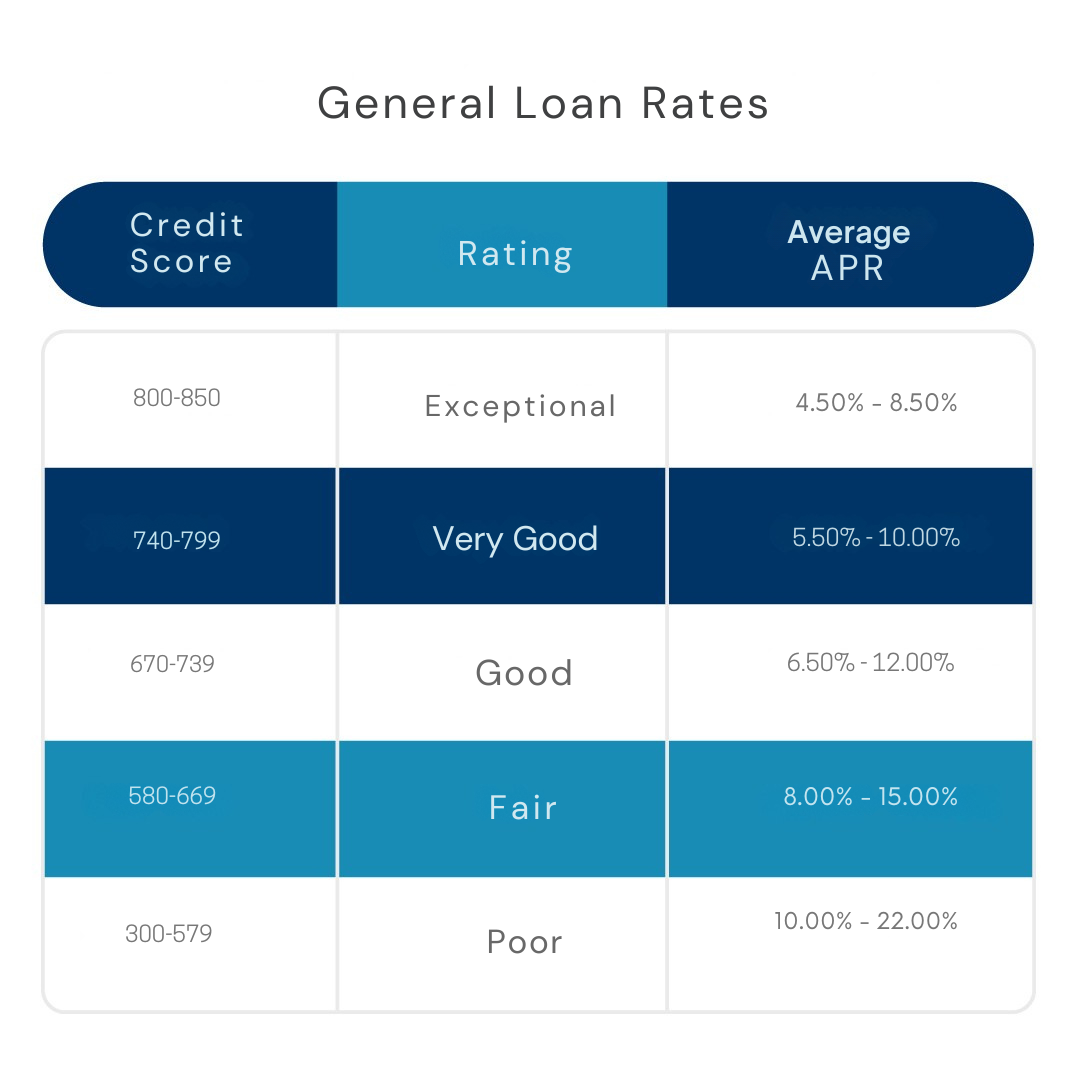
Life insurance loans often come with low interest rates and no credit checks, making them an affordable option for borrowers. This accessibility increases the likelihood of loan approval, especially for those with less-than-perfect credit scores.
Borrowing against a life insurance policy provides quick access to funds in emergencies, without impacting the death benefit. This ensures that the primary financial security for the borrower’s beneficiaries remains intact while providing immediate financial relief.
Life insurance loans do not have restrictions on how the funds can be used, offering great flexibility. Additionally, these loans are collateral-free, which provides financial security without the need to risk valuable assets.
Life insurance loans offer an affordable financing option due to their low-interest rates and the inherent security of the policy. This makes them a popular choice for customers seeking cost-effective ways to access funds.
Using a life insurance policy as collateral for a loan can be risky. If the borrower fails to repay the loan, it could reduce the death benefit or even cause the policy to lapse, leaving the policyholder’s beneficiaries without the intended financial protection.
Life insurance loans accrue interest over time. If not repaid promptly, the interest can accumulate, potentially growing to a substantial amount. This accumulation can make it challenging to settle the loan, negatively impacting the borrower’s financial stability.
If the total loan amount, including accrued interest, exceeds the policy’s cash value, it may trigger a taxable event. This could result in the loan being taxed as income, which could affect the borrower’s finances.
When a loan is taken against a life insurance policy, the withdrawn amount is no longer generating returns from the policy's investments. This could impact the growth of the policy's cash value and reduce the death benefit that the policyholder’s beneficiaries will receive.
Conclusion
Life insurance loans let policyholders borrow against their cash worth, a unique financial option. This loan lets policyholders borrow money while keeping their benefits.
Easy acceptance is a major benefit of life insurance loans. The cash value of the insurance secures the loan, so applicants don’t have to undergo credit checks or paperwork. Life insurance loans are appealing to those who need cash quickly due to their accessibility.
Compared to credit cards and personal loans, life insurance loans have lower interest rates. Because the policy’s cash worth is collateral, insurance companies have lesser risk and cheaper interest rates. This may save borrowers a lot throughout the loan term.
Another notable benefit is the absence of strict repayment schedules. Borrowers have the flexibility to repay the loan at their own pace, with the option to make regular payments or repay the entire loan at once. This flexibility provides individuals with the freedom to manage their finances according to their unique circumstances.
However, it’s essential to consider the potential drawbacks of life insurance loans. Borrowing against the cash value of the policy reduces the death benefit available to beneficiaries. If the loan is not repaid and the policy lapses, beneficiaries might receive a significantly reduced payout or lose coverage altogether. Additionally, unpaid loans can accrue interest and fees, impacting the policy’s overall value.
In conclusion, life insurance loans are useful for those who need finances quickly and easily. Policyholders in need of financial help like these loans because of their ease of acceptance, cheap interest rates, and flexible payback periods. Borrowers must assess the rewards against the policy’s beneficiaries and long-term financial stability.
A life insurance loan is a loan borrowed against the cash value of a permanent life insurance policy. It allows policyholders to access funds while alive, using the policy as collateral.
Policyholders can borrow up to the cash value of their life insurance policy. The loan accrues interest, and if not repaid, it reduces the death benefit paid to beneficiaries upon the policyholder’s death.
Emergency needs, debt repayment, schooling, and retirement income may be covered by life insurance loan money.
The maximum loan amount is typically determined by the policy’s cash value. Policyholders cannot borrow more than this value.
Interest rates for life insurance loans are set by the insurance company. They are often lower than rates for other types of loans, making this option attractive for policyholders.
If the loan is not repaid before the policyholder’s death, the outstanding loan amount plus accrued interest is deducted from the death benefit paid to beneficiaries. If the loan balance exceeds the cash value, the policy may lapse.

Outsource Capital LLC offers a multitude of benefits for businesses in search of loans. Through our extensive network of lenders, Outsource Capital enables businesses to tap into a broader pool of financing options, simplifying the application process and facilitating access to competitive loan terms. The network’s versatility and the expertise of its lenders make it an appealing choice for businesses of all scales. With the ever-evolving lending landscape, exploring Outsource Capital’s network of lenders can present businesses with the necessary funding solutions to flourish and achieve success.
The information provided in this article is for informational purposes only and does not constitute financial or legal advice. Every business’s financial situation is unique, and it is recommended that businesses consult with qualified financial and legal professionals before making any financial or legal decisions. The accuracy and applicability of the information provided may vary depending on individual circumstances and should not be relied upon without independent verification. The author and the publisher of this article are not responsible for any financial losses, damages, or legal consequences arising from the use or reliance upon the information provided.
We connect businesses with a network of lenders to facilitate access to various financing options. Still, the decision to apply for a loan and the choice of lender remains solely with the user.
Outsource Capital LLC does not guarantee the accuracy, completeness, or timeliness of the information provided, nor does it guarantee the approval of any loan application or the terms of any loan offer.
You cannot copy content of this page