

Over 100,000+
Annual Revenue
Over 1+ year
Time in business
680+
Credit Score


Annual Revenue
Time in business
Credit Score
Acquiring land is a significant step for various ventures, from real estate development to agricultural expansion. In Article 84, we explore ‘Land Purchase Loans,’ a financial tool designed to facilitate the acquisition of land. This guide delves into the advantages that land purchase loans offer, alongside the potential drawbacks and challenges involved. Join us on this land-focused exploration as we unravel how land purchase loans empower individuals and businesses to secure their desired plots, laying the foundation for future projects, all while understanding the considerations that come with land acquisition and the associated financing.
Land purchase loans provide financing specifically for buying land, whether for agricultural, commercial, or residential purposes. Imagine you’ve found the perfect piece of land to farm, build a business, or construct your dream home. These loans supply the funds needed to secure the land. It’s like having a financial foundation for your future endeavors on a piece of property. Land purchase loans enable individuals and businesses to invest in real estate, facilitating economic growth and development. However, terms and eligibility criteria can vary, requiring careful consideration and planning to ensure the land purchase aligns with the borrower’s goals.
Land purchase loans provide individuals and businesses the opportunity to acquire land—whether for personal, agricultural, or commercial purposes—transforming it into a valuable asset. This ownership not only strengthens your financial portfolio but also serves as a foundation for future development or resale.
Land is a long-term investment that can appreciate significantly over time. Purchasing land in a growing or strategic location increases its value, offering investors the potential for substantial returns. Land purchase loans enable this kind of investment without requiring full upfront capital, making it accessible for more people.
For businesses looking to expand, land purchase loans facilitate the acquisition of necessary land for development, whether it’s for building new facilities, starting a new project, or increasing operational capacity. This financial support is essential for scaling business ventures and meeting increasing demand.
Land purchased through a loan can act as collateral for future borrowing. This means that landowners can use the property’s value to access additional loans for business expansion, further development projects, or other financial needs, giving them more flexibility and opportunities.
Real estate investments are known for building long-term wealth. Land purchase loans allow individuals to create generational wealth by securing valuable properties. These assets can be held, developed, or passed down to future generations, ensuring financial stability over time.
Real estate investments are known for building long-term wealth. Land purchase loans allow individuals to create generational wealth by securing valuable properties. These assets can be held, developed, or passed down to future generations, ensuring financial stability over time.
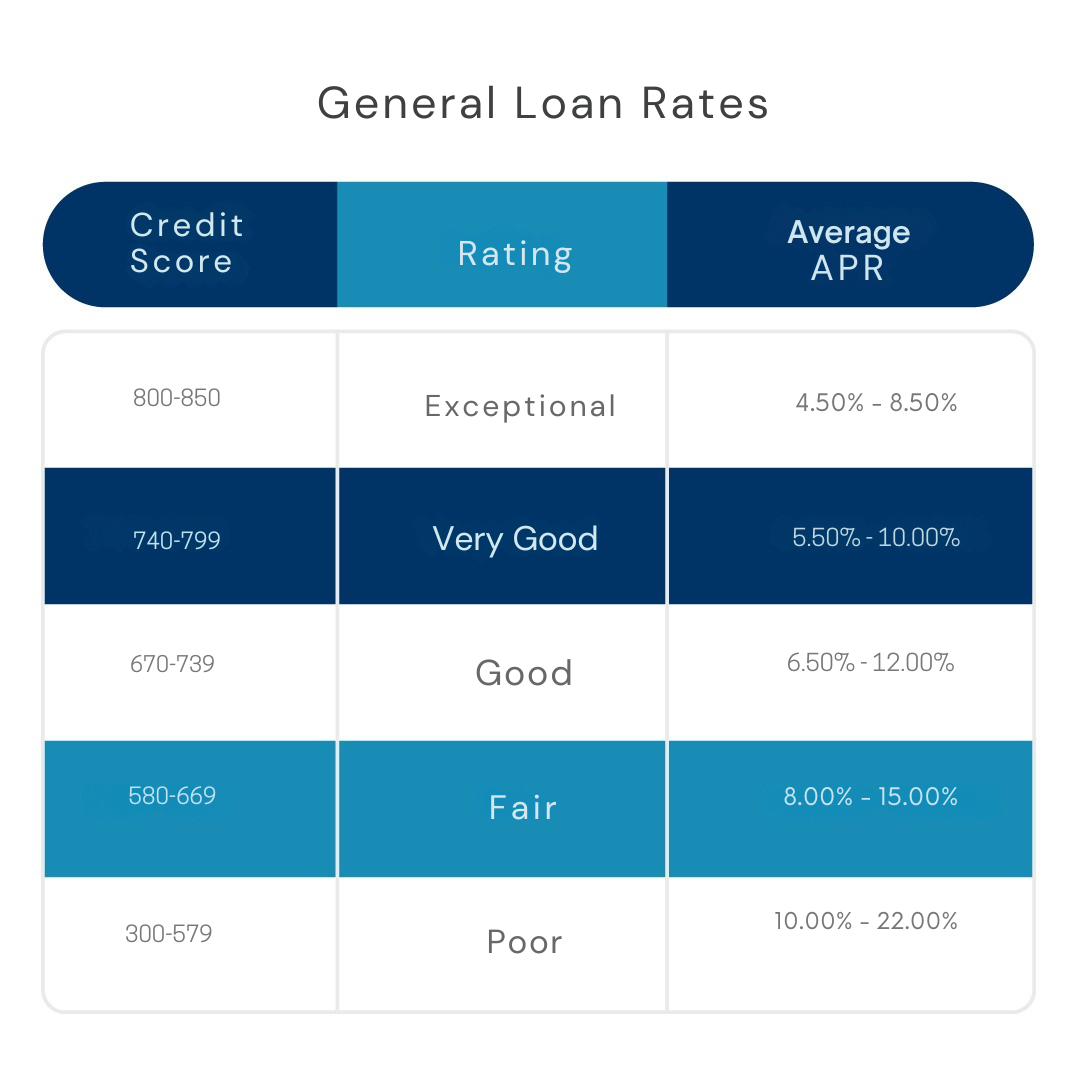
Land purchase loans allow people and businesses to acquire large land parcels that may be out of reach without financing. This accessibility opens doors for both personal and professional growth.
Land can appreciate in value over time, and securing a loan allows individuals and businesses to make these investments without the need for large amounts of upfront capital.
Developers use land purchase loans to acquire land for new residential, commercial, or industrial developments. These loans facilitate the start of large-scale construction projects.
Farmers can use land purchase loans to buy additional acreage, helping them grow their operations, increase productivity, and improve their contribution to the food supply chain.
Purchasing land through a loan involves significant initial costs, and land typically does not generate immediate income. This can create financial strain, especially if the land remains undeveloped or unused for an extended period.
The value of land is subject to market changes, which can affect its resale potential. Additionally, local zoning regulations may limit how the land can be used, impacting the borrower’s investment plans.
Developing the land can require considerable expenditures for infrastructure, permits, and compliance with environmental regulations. These costs can quickly escalate, particularly if unexpected challenges arise.
Owning land incurs ongoing expenses such as property taxes and maintenance costs. If the land is not generating income, these costs can become a financial burden, particularly if the property remains undeveloped or unused for a long time.
Conclusion
Individuals and corporations seeking land for different reasons benefit from land purchase loans. These loans enable the funds to obtain land, a vital asset with lasting worth, for real estate development, agriculture, business operations, or personal usage.
Land purchase loans facilitate economic growth by enabling the development of new infrastructure, housing projects, agricultural enterprises, and commercial spaces. They empower entrepreneurs to transform barren land into productive farms, vineyards, or industrial sites. Additionally, these loans support urban development initiatives, allowing cities to expand, create green spaces, and establish recreational areas, enhancing the overall quality of life for residents.
One of the key benefits of land purchase loans is their flexibility. Lenders offer diverse loan structures tailored to specific needs, accommodating both short-term and long-term land acquisition goals. Interest rates, repayment terms, and down payment requirements can often be customized, ensuring borrowers have options that align with their financial capacities and project timelines.
However, land acquisition loans demand a comprehensive due investigation. Buyers must examine the property’s zoning, environmental impact, and amenities. Working with trustworthy lenders and legal consultants is essential to managing property purchases and meeting legal obligations.
In conclusion, land acquisition loans shape landscapes, boost economic growth, and enable property ownership. These loans enable people and companies to buy property and convert barren lots into lively, useful areas that benefit communities and economies.
Land purchase loans are financial products specifically designed to facilitate the acquisition of land. These loans provide individuals, businesses, or developers with the necessary funds to buy parcels of land for various purposes, such as residential, commercial, agricultural, or industrial development.
Banks, credit unions, private lenders, and specialist financial organizations provide land acquisition loans. These loans’ interest rates and qualifying requirements vary widely across lenders.
Undeveloped property, agricultural land, commercial assets, residential lots, and industrial land may be purchased using land purchase loans. Borrowers’ uses and lenders’ rules determine what land they may buy.
Land purchase loans work similarly to other types of loans. Borrowers apply for a specific loan amount based on the land’s purchase price and their financial qualifications. If approved, the lender disburses the loan amount, allowing the borrower to purchase the land. Borrowers then repay the loan over an agreed-upon period with interest.
The loan amount sought relative to the land’s assessed value or purchase price is essential.
Intended Use: Lenders may consider how the borrower intends to use the land. For example, land designated for residential development might have different approval criteria than land for agricultural purposes.
Down payment requirements vary among lenders. Some lenders may require a down payment, which is a percentage of the land’s purchase price, while others may offer no-down-payment options. A larger down payment can sometimes lead to more favorable loan terms.
If the purchased land is unimproved (lacks utilities, roads, or other necessary infrastructure), borrowers might need to secure additional financing for development or improvements. Some lenders offer land development loans to cover these costs.

Outsource Capital LLC offers a multitude of benefits for businesses in search of loans. Through our extensive network of lenders, Outsource Capital enables businesses to tap into a broader pool of financing options, simplifying the application process and facilitating access to competitive loan terms. The network’s versatility and the expertise of its lenders make it an appealing choice for businesses of all scales. With the ever-evolving lending landscape, exploring Outsource Capital’s network of lenders can present businesses with the necessary funding solutions to flourish and achieve success.
The information provided in this article is for informational purposes only and does not constitute financial or legal advice. Every business’s financial situation is unique, and it is recommended that businesses consult with qualified financial and legal professionals before making any financial or legal decisions. The accuracy and applicability of the information provided may vary depending on individual circumstances and should not be relied upon without independent verification. The author and the publisher of this article are not responsible for any financial losses, damages, or legal consequences arising from the use or reliance upon the information provided.
We connect businesses with a network of lenders to facilitate access to various financing options. Still, the decision to apply for a loan and the choice of lender remains solely with the user.
Outsource Capital LLC does not guarantee the accuracy, completeness, or timeliness of the information provided, nor does it guarantee the approval of any loan application or the terms of any loan offer.
You cannot copy content of this page