

Over $250,000+
Annual Revenue
Over 3+
Time in business
680
Credit Score


Annual Revenue
Time in business
Credit Score
Investing in real estate can be a lucrative venture, but it comes with its complexities. In this Article, we venture into ‘Investment Property Loans,’ a financial avenue tailored for those entering the real estate market. This guide explores the promising prospects and potential pitfalls associated with investment property loans. Join us on this real estate journey as we uncover how these loans can facilitate property investments, enabling individuals to build wealth and financial security, all while understanding the challenges and nuances that come with investing in real estate.
Investment property loans are specifically designed for purchasing properties intended for rental income or capital appreciation. Imagine you want to buy a house, apartment, or commercial space to rent out or sell later for a profit. These loans provide the financial means to invest in real estate. It’s like having a financial backbone for building your property portfolio. Investment property loans often have different terms than regular home loans, catering to the unique risks and potential rewards of real estate investment. Understanding market trends and property management is crucial to maximize returns and manage these loans effectively.
Franchises offer a tested and refined business model, much like a well-structured investment. This minimizes the risk of failure, allowing you to tap into an established operational strategy that’s already been proven to work in the market.
One of the standout advantages of franchising is the immediate benefit of brand recognition. Established franchises come with a trusted brand, which can significantly reduce the time it takes to attract customers and generate business.
Franchisees receive ongoing training and support from the parent company. This hands-on guidance ensures that you’re never alone in navigating the challenges of entrepreneurship, whether it’s marketing, operations, or customer service.
Franchisees often benefit from the collective buying power of the franchise network. This means you can secure better rates on supplies, inventory, and equipment, which helps improve profit margins and business efficiency.
Franchises come with ready-made marketing strategies, reducing the need for extensive planning. By leveraging the franchise’s national or global marketing efforts, you can focus more on executing and less on the logistics of advertising.
With a proven business model, franchisees typically face lower risks compared to starting an independent business from scratch.
Ongoing training and a strong support system from the parent company make it easier for franchisees to succeed, especially those with limited business experience.
Established franchises come with the benefit of brand loyalty and recognition, making it easier to attract customers from the outset.
Franchises benefit from collective purchasing power, which often results in cost savings on inventory, supplies, and equipment, enhancing profitability.
Franchisees must pay upfront fees and ongoing royalties, which can be a significant financial commitment.
Franchisees must adhere to the rules and guidelines set by the parent company, limiting their freedom to make independent business decisions.
Many franchises require ongoing royalty payments, which can eat into profits over time, even if the business is thriving.
Some popular franchises may face market saturation, making it more challenging to stand out and generate sufficient business.
Conclusion
Investment property loans represent a significant opportunity for individuals and businesses looking to expand their financial portfolios and generate passive income. Much like franchise funding provides a gateway to established business models, investment property loans open doors to the world of real estate, where wealth can be built through strategic acquisitions and smart management.
Property investors can benefit from the stability of real estate markets, especially in growing regions, just like franchisees do from established marketing strategies. Both require thorough research, understanding market trends, and risk assessment.
However, much like operating a franchise demands ongoing effort to maintain quality and customer satisfaction, managing investment properties requires dedication. From tenant management to property maintenance, successful property investment involves active participation. Yet, the potential for long-term financial gains often outweighs the challenges.
Similar to how franchisees leverage the support of the parent company, property investors can benefit from real estate experts, property managers, and financial advisors. These professionals provide invaluable insights and guidance, ensuring that investment properties are not just assets but sources of sustainable income.
Investment property loans serve as the financial cornerstone of this venture. They provide the capital necessary to secure properties, renovate them, and market them effectively. The careful balance between investment and return on investment mirrors the strategic decisions made by franchisees as they expand their businesses.
In essence, investment property loans are the foundation upon which wealth in real estate is built. They represent the financial stability that allows investors to participate in the lucrative property market, just as franchise funding is the catalyst for entrepreneurs to join established business networks. Both avenues offer opportunities for financial growth and success, shaping the landscape of modern entrepreneurship and investment.
Investment property loans buy or refinance properties for investment. Properties might be rental residences, business structures, or vacation homes.
Investment property loans typically have higher interest rates and stricter approval requirements compared to loans for primary residences. Lenders consider investment properties riskier, so the terms and rates are often less favorable.
Investment property loans may be used for single-family houses, multi-unit structures, commercial properties, and vacation residences. Eligibility and conditions depend on property type and usage.
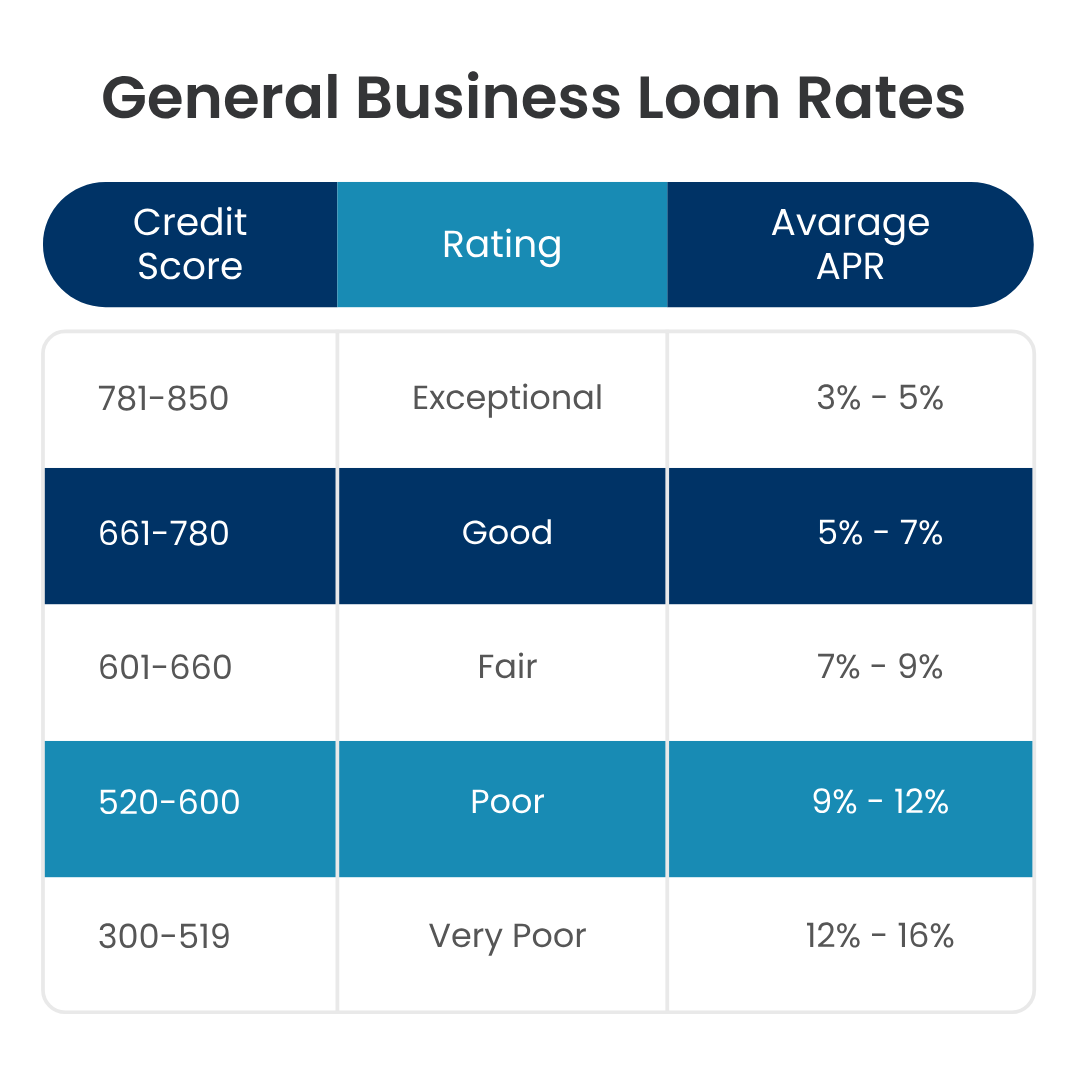
Credit score, debt-to-income ratio, and rental income potential are investment property loan eligibility variables. Investment property lenders usually want a better credit score and down payment.
For investment property loans, the minimum down payment is 15% to 25% of the purchase amount. A bigger down payment improves loan conditions and approval odds.
If your inventory doesn’t sell as anticipated, it could impact your ability to repay the loan. It’s crucial to have a solid sales and inventory management strategy in place to minimize this risk. Some lenders offer flexibility in repayment terms to accommodate fluctuations in sales.
Yes, some lenders consider rental income from the investment property when evaluating your loan application. However, they may require a history of rental income and might consider only a portion of it when calculating your overall income.

Outsource Capital LLC offers a multitude of benefits for businesses in search of loans. Through our extensive network of lenders, Outsource Capital enables businesses to tap into a broader pool of financing options, simplifying the application process and facilitating access to competitive loan terms. The network’s versatility and the expertise of its lenders make it an appealing choice for businesses of all scales.
With the ever-evolving lending landscape, exploring Outsource Capital’s network of lenders can present businesses with the necessary funding solutions to flourish and achieve success
The information provided in this article is for informational purposes only and does not constitute financial or legal advice. Every business’s financial situation is unique, and it is recommended that businesses consult with qualified financial and legal professionals before making any financial or legal decisions. The accuracy and applicability of the information provided may vary depending on individual circumstances and should not be relied upon without independent verification. The author and the publisher of this article are not responsible for any financial losses, damages, or legal consequences arising from the use or reliance upon the information provided.
We connect businesses with a network of lenders to facilitate access to various financing options. Still, the decision to apply for a loan and the choice of lender remains solely with the user.
Outsource Capital LLC does not guarantee the accuracy, completeness, or timeliness of the information provided, nor does it guarantee the approval of any loan application or the terms of any loan offer.
You cannot copy content of this page