

$50,000+
Annual Revenue
Over 1+
Time in business
640+
Credit Score


Annual Revenue
Time in business
Credit Score
The farm-to-table movement has gained significant momentum in recent years, emphasizing the importance of local, sustainable, and traceable food production. As consumers increasingly prioritize quality and transparency, the need for small-scale farms and local food businesses to thrive has become paramount. Farm-to-table financing serves as a crucial component in bolstering this movement, enabling farmers and food producers to navigate the financial challenges associated with sustainable agriculture practices. This comprehensive exploration delves into the intricacies of farm-to-table financing, unveiling its advantages, pros, and cons, empowering farmers and food businesses with the knowledge to drive positive change in the food system.
Farm-to-Table Financing refers to financial solutions specifically tailored to support farmers and food producers who participate in the farm-to-table movement. It involves providing funding for sustainable farming practices, small-scale agricultural operations, and local food production, ensuring that fresh and locally sourced products reach consumers’ tables. These financing options are designed to address the unique needs of farmers and food producers involved in short-supply chains and direct sales to consumers and restaurants.
Farm-to-table financing provides funding for sustainable farming techniques, such as organic farming and regenerative agriculture.
Financing local food businesses contributes to the growth of regional economies and the revitalization of rural communities.
Financing local food businesses contributes to the growth of regional economies and the revitalization of rural communities.
Investments in farm-to-table initiatives promote transparent and traceable supply chains, building consumer trust.
Financing local food systems encourages the availability of fresh, nutritious, and seasonal produce for consumers.
Funds directed toward sustainable farming practices help conserve natural resources and reduce the carbon footprint of food production.
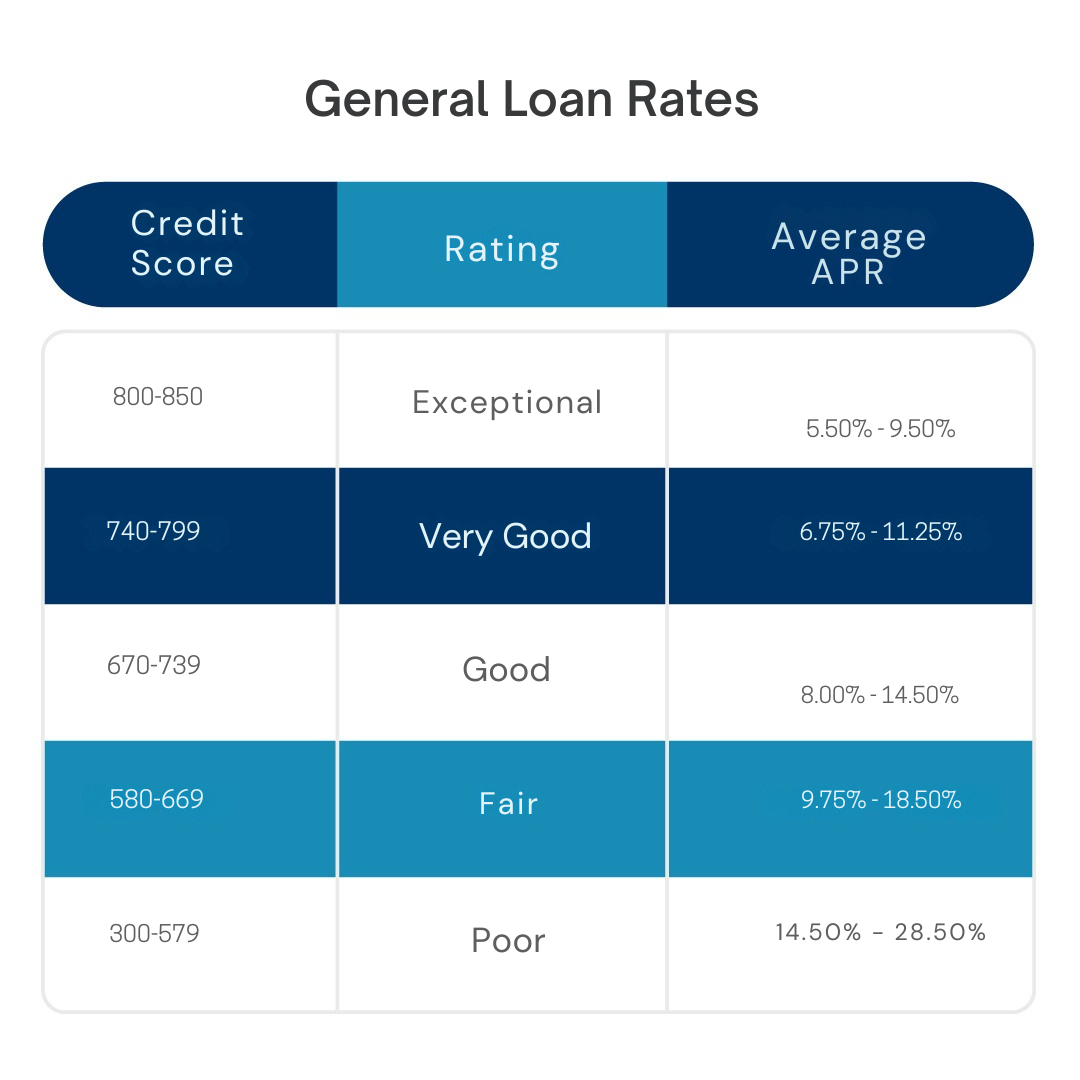
Farm-to-table financing often involves collaboration between farmers, local businesses, investors, and consumers.
Funding can come from a variety of sources, including grants, crowdfunding, impact investors, and community-supported agriculture (CSA) programs.
Financing extends beyond monetary support, encompassing mentorship, technical assistance, and marketing guidance.
Funding supports the distribution and marketing of local produce, connecting farmers directly with consumers and restaurants.
Farm-to-table financing encourages innovation in sustainable farming practices and food business models.
Agriculture markets can be unpredictable, impacting the financial stability of local food businesses.
Some farm-to-table financing options might have specific eligibility criteria, limiting access for certain farmers or producers.
Scaling local food businesses might require additional funding and resources beyond initial financing.
Building consumer awareness and demand for local, sustainable food requires ongoing effort.
Local food businesses must navigate regulations related to food safety, labelling, and distribution.
Conclusion
Farm-to-table financing stands as a catalyst for nurturing sustainable food systems and promoting responsible consumption. The advantages of supporting sustainable practices, local economic growth, traceable supply chains, healthier diets, and environmental conservation underscore its significance.
Complementing these advantages are the pros of community partnerships, diverse funding sources, holistic support, local market access, and the cultivation of innovation. However, stakeholders must address the disadvantages of market volatility, limited accessibility, scaling challenges, consumer education, and regulatory compliance.
In the evolving landscape of sustainable agriculture and conscious consumerism, well-informed decisions are paramount. Farmers, local food businesses, investors, and consumers must collaborate, assess funding options, and understand the unique dynamics of farm-to-table financing. By approaching this financing model with strategic insight, a comprehensive understanding of both the benefits and challenges, and a commitment to fostering sustainable food systems, stakeholders can collectively contribute to a more resilient, transparent, and nourishing food future.
No, farm-to-table financing is open to farmers practicing various sustainable farming methods, including organic, regenerative, and biodynamic.
Yes, farm-to-table financing can be used to support value-added food production activities, including processing, packaging, and marketing.
Farm-to-table financing options may vary based on the scale of the operation, but there are options available for farmers of all sizes.
Yes, farm-to-table financing can support farmers in establishing direct-to-consumer sales channels, such as farmers’ markets and community-supported agriculture (CSA) programs.
Yes, farm-to-table financing can extend to urban and rooftop farming projects that contribute to local food production and sustainability.

Outsource Capital LLC offers a multitude of benefits for businesses in search of loans. Through our extensive network of lenders, Outsource Capital enables businesses to tap into a broader pool of financing options, simplifying the application process and facilitating access to competitive loan terms. The network’s versatility and the expertise of its lenders make it an appealing choice for businesses of all scales.
With the ever-evolving lending landscape, exploring Outsource Capital’s network of lenders can present businesses with the necessary funding solutions to flourish and achieve success
The information provided in this article is for informational purposes only and does not constitute financial or legal advice. Every business’s financial situation is unique, and it is recommended that businesses consult with qualified financial and legal professionals before making any financial or legal decisions. The accuracy and applicability of the information provided may vary depending on individual circumstances and should not be relied upon without independent verification. The author and the publisher of this article are not responsible for any financial losses, damages, or legal consequences arising from the use or reliance upon the information provided.
We connect businesses with a network of lenders to facilitate access to various financing options. Still, the decision to apply for a loan and the choice of lender remains solely with the user.
Outsource Capital LLC does not guarantee the accuracy, completeness, or timeliness of the information provided, nor does it guarantee the approval of any loan application or the terms of any loan offer.
You cannot copy content of this page