

Over $500,000+
Annual Revenue
Over 2+ Year
Time in business
680+
Credit Score


Annual Revenue
Time in business
Credit Score
In the realm of real estate and development, construction projects hold the promise of transforming visions into tangible structures. However, the journey from blueprint to reality requires a significant financial investment that might be challenging to secure. Construction loans offer a lifeline to developers, enabling them to fund the creation of residential, commercial, or industrial properties. This comprehensive exploration delves into the intricacies of construction loans, shedding light on their advantages, pros, and cons, empowering developers to navigate the financial landscape of construction projects with confidence.
Construction loans are specialized forms of financing designed to support the construction or renovation of residential or commercial properties. They provide funds for various stages of construction, such as land purchase, building permits, labour, materials, and other associated costs.
Construction loans provide financing for various aspects of a project, including land acquisition, construction costs, permits, and labour.
Loans can be tailored to suit the specific needs of the project, allowing developers to secure the necessary funds for each stage.
Payments during the construction phase might involve interest-only payments, reducing the initial financial strain on the developer.
Lenders experienced in construction financing can provide insights and guidance, enhancing the project’s overall success.
Successful completion of the construction project can lead to increased property value and potential profit upon sale or lease.
Construction loans are disbursed in stages, aligning with the project's progress and ensuring funds are available when needed.
Loan terms can include contingency reserves, ensuring there are funds available to cover unforeseen project challenges.
Interest is often paid only on the funds drawn, reducing the overall interest cost during the construction phase.
Developers retain control over the construction process, allowing them to make decisions that align with their vision.
Construction loans enable developers to invest in real estate opportunities without requiring full upfront capital.
Construction loans often involve a thorough approval process, including project feasibility assessment, credit checks, and financial documentation.
Interest accrues during the construction phase, adding to the overall cost of the project.
Changes in the real estate market or unexpected project delays could impact the project's profitability.
Project challenges, such as weather delays, permitting issues, or unforeseen construction problems, can impact the timeline and budget.
Project challenges, such as weather delays, permitting issues, or unforeseen construction problems, can impact the timeline and budget.
Conclusion
Construction loans stand as essential tools for developers aiming to turn architectural plans into tangible structures. The advantages of project financing, customization, flexible payments, construction expertise, and property value creation position construction loans as vital resources.
Complementing these advantages are the pros of staged funding, risk mitigation, interest in drawing, project control, and real estate investment opportunities. However, developers must be mindful of the complexities of the approval process, interest costs, market fluctuations, construction risks, and the repayment responsibilities that come with construction loans.
In the dynamic landscape of real estate development, informed decision-making is paramount. Developers must assess project feasibility, evaluate loan options, and understand the terms and conditions. By approaching construction loans with strategic planning, a comprehensive understanding of both the benefits and challenges, and a commitment to successful project execution, developers can effectively utilize borrowed capital to bring their visions to life, contribute to urban landscapes, and achieve long-term success in the construction industry.
Construction loans can be used for various projects, including residential homes, commercial buildings, renovations, and property development.
Yes, construction loans can be used for significant renovations and expansions on existing properties.
Lenders disburse funds in stages, known as “draws,” based on the completion of predetermined construction milestones.
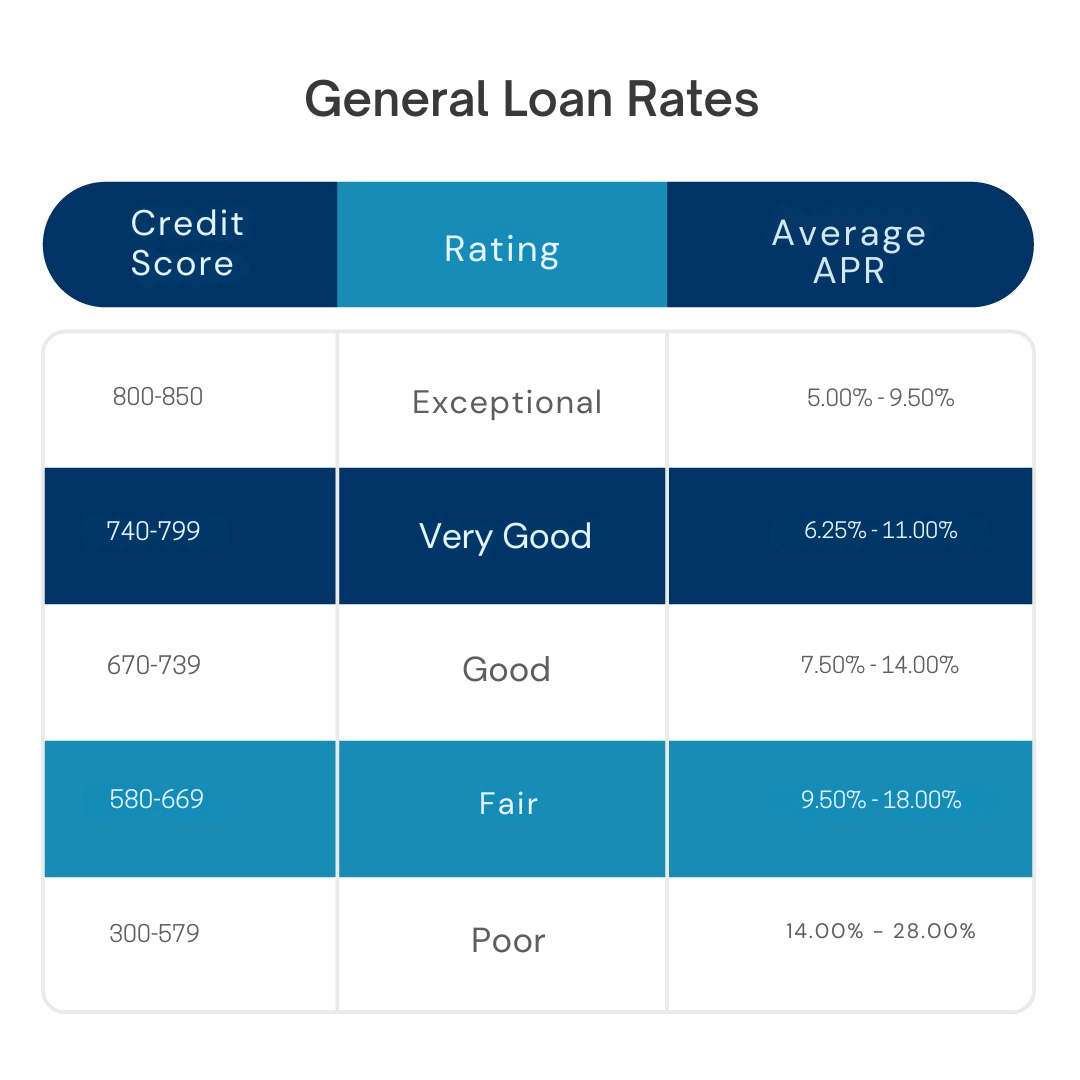
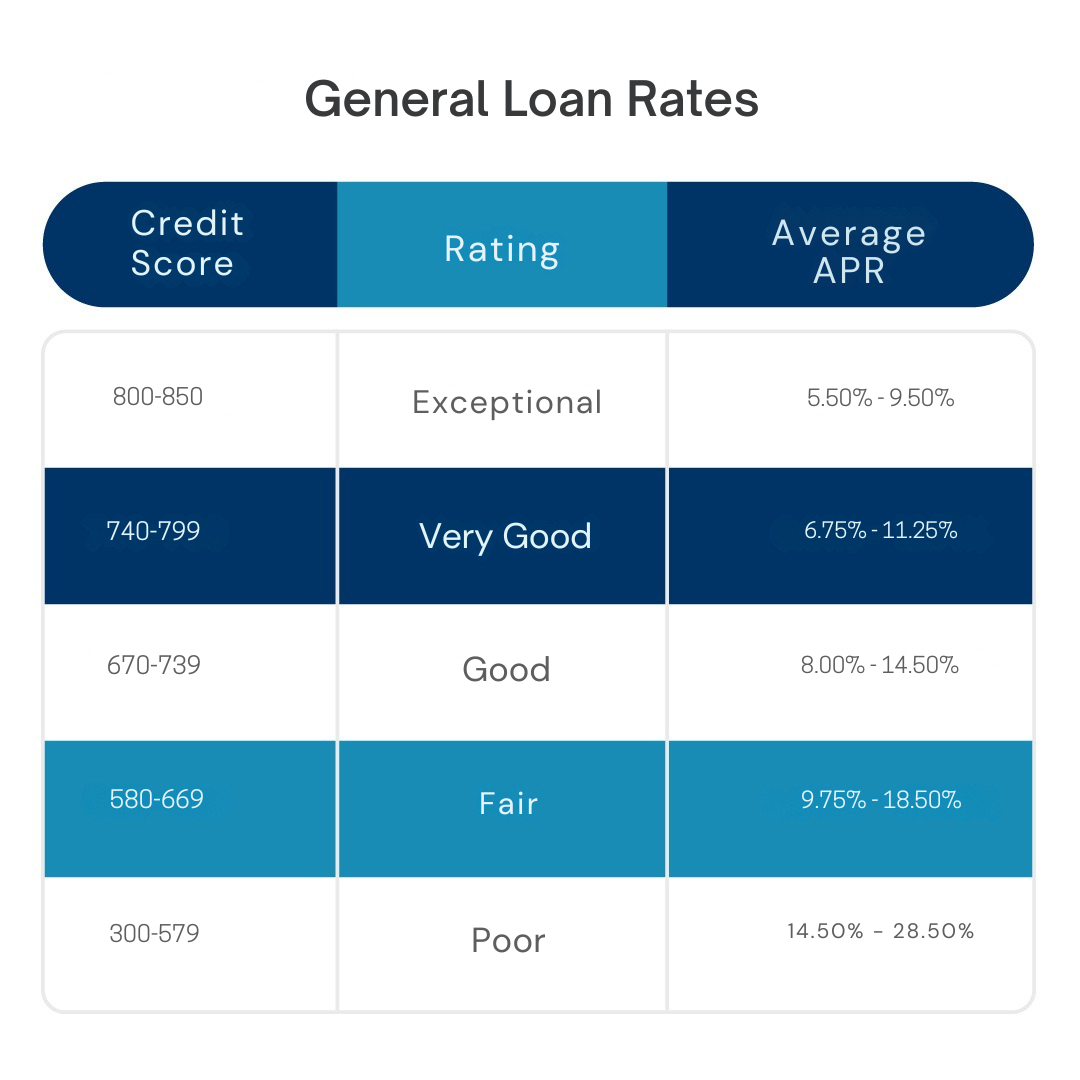
Rev your engines, folks, because the answer is a resounding “yes.” Even if your credit score isn’t winning any races, there are lenders out there who specialize in offering a helping hand to those with less-than-perfect credit histories. However, just like adding a little extra weight to your car can slow it down, having bad credit might come with some trade-offs. You might still secure that auto loan, but it could come with a slightly higher interest rate. It’s like a bit of turbulence on an otherwise smooth road—totally manageable, but worth being aware of.
Interest rates for construction loans are influenced by factors such as creditworthiness, loan amount, project scope, and prevailing market conditions.
Yes, alternatives include home equity loans, personal loans, and cash-out refinancing, although construction loans are specifically designed for construction-related expenses.

Outsource Capital LLC offers a multitude of benefits for businesses in search of loans. Through our extensive network of lenders, Outsource Capital enables businesses to tap into a broader pool of financing options, simplifying the application process and facilitating access to competitive loan terms. The network’s versatility and the expertise of its lenders make it an appealing choice for businesses of all scales.
With the ever-evolving lending landscape, exploring Outsource Capital’s network of lenders can present businesses with the necessary funding solutions to flourish and achieve success.
The information provided in this article is for informational purposes only and does not constitute financial or legal advice. Each business’s financial situation is unique, and it is recommended that businesses consult with qualified financial and legal professionals before making any financial or legal decisions. The accuracy and applicability of the information provided may vary depending on individual circumstances and should not be relied upon without independent verification. The author and the publisher of this article are not responsible for any financial losses, damages, or legal consequences arising from the use or reliance upon the information provided.
We connect businesses with a network of lenders to facilitate access to various financing options. Still, the decision to apply for a loan and the choice of lender remains solely with the user.
Outsource Capital LLC does not guarantee the accuracy, completeness, or timeliness of the information provided, nor does it guarantee the approval of any loan application or the terms of any loan offer.