

Over $50K
Annual Revenue
Over 6 Months
Time in business
600+
Credit Score


Annual Revenue
Time in business
Credit Score
The main use of cash flow in a business acquisition is for lenders to primarily rely on the anticipated cash flow of the business to be sold to make loan payments. The profitability of the business will be reviewed; however, not as much as security of the collaterals will be reviewed. This funding method is significant because it allows for the acquisition of companies that generate good cash flow, but don’t own many physical assets.
In a cash flow acquisition financing, lenders finance the acquisition primarily based upon the expected future cash flows of the target company. The company’s earnings, sources of revenue and profits are examined to decide whether or not the purchased organization can provide enough cash to fulfill debt repayment obligations. Cash flow financing is more concerned with operational success and financial stability than asset-based finance, which is mostly dependent on collateral like real estate or equipment. It is often used in a leveraged buyout and/or acquisition of a technology or services company that has high recurring income without significant tangible assets. Before approving the financing agreement, lenders review financial information, cash flow and business risk.
A few companies that have few tangible assets may be able to obtain purchase capital by means of cash flow acquisition financing. Earnings are more important to the lender than the value of the collateral. It can be beneficial to businesses in the technology, consulting and service industries that generate a high income, but lack substantial tangible assets to qualify for traditional loans.
Larger financing may be available than it would be in the event of asset-based financing since financing is based on the future earning potential. Having a healthy, stable cash flow increases the capacity for borrowing, which can give businesses the opportunity to make large acquisitions and quickly pursue growth strategies. Capital utilization.
While utilizing projected cash flows to obtain funding, businesses can protect their current assets. Rather than tying up a significant amount of capital in lending a substantial equity stake as collateral for loans, this maximizes utilization of capital and enables management to devote more time and resources to the growth of the business, innovation, and strategic opportunities.
By executing a cash flow financing they will be able to purchase companies with a great future potential. Lenders are more likely to be interested in the growth opportunities of businesses with regular income and revenue, as this leads to greater stability. Growth Opportunities become possible when businesses have regular income and revenue, making them a more attractive option for lenders than other financing options such as asset-based lending.
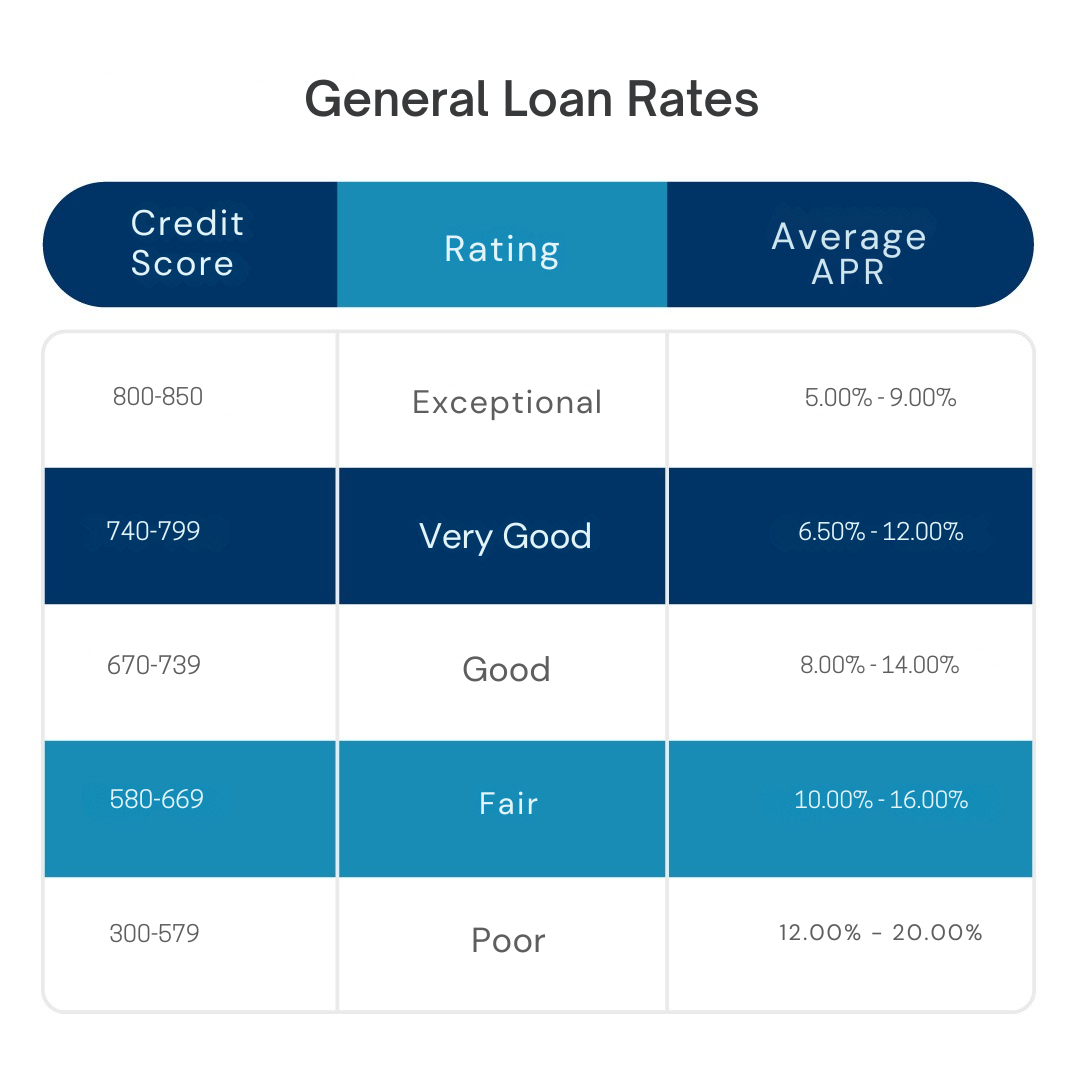
This method of financing is flexible since acceptance is based on one's earning potential, which is not related to any assets. They may find it easier to secure funding, even if they don't have significant physical assets, as the level of operational performance makes an acquisition more desirable and achievable.
There are many businesses out there that do not have big physical properties, but have a steady cash flow. There are, however, differences between asset acquisition financing and lender's look at profitability and consistency of revenue, and in these situations, cash flow acquisition financing would be the perfect solution for the businesses.
Organizations can easily grow and secure funding based upon future creation of cash to acquire complementary businesses. This can provide a company with a competitive advantage, a diversified revenue stream and allow the company to penetrate a market with a relatively minimal initial investment by the acquiring company.
Cash flow acquisition financing differs from equity financing in that the owner(s) of the company do not have to sell their shares. Companies can keep full control while financing the needed funds in order to make the acquisitions and the shareholders can still continue to take decisions and generate future profits.
Larger loans are typically required for financing cash flow acquisitions. The business may be at risk of not being able to repay if it does not get the cash flows it expects. During an economic downturn, too much debt can limit economic flexibility, and make it more likely that finances will get tight.
To guarantee enough cash generation, lenders keep a careful eye on financial performance. Operational restrictions, reporting requirements and restrictive covenants may apply to borrowers. The shift in business circumstances may result in less management flexibility and may also lead to an added burden on the management of the company acquired.
The economic slowdown and/or sudden disruption in the market will impact cash flow because repayment will be based on income in the future. When their earnings decrease, they might find it hard to repay their debts, loading their finances with an additional burden and possibly affecting the success of the acquisition.
Lenders may have higher interest rates and financing costs, as they are in more risk if they base loans on expected cash flows instead of actual assets. This raises the cost of the acquisition and could lead to lower forecasted financial returns from the acquisition.
Conclusion
Cash Flow Acquisition Financing is a viable method of financing acquisitions rather than ownership of assets, provided that the companies can be able to effectively assess the future profit potential. It is a great choice for service-driven, knowledge-driven, and technology-driven businesses with few tangible assets but consistent revenue streams. This enables a business to benefit from growth opportunities without the need to dispose of the business or commit too many resources. But there is some risk to the capacity to repay the loan and depending on the result of future cash flows. Financial obligations can be hard to keep if there are market disruptions or economic downturns (or if financial projections are incorrect). Lenders tend to have some real stringent monitoring and financial covenants that are strict to manage the risk. Realistic cash flow projections, prudent borrowing and thorough analysis are essential for cash flow acquisition finance to be successful. All of these considerations can be applied when designing the financial aspects of the deal in order to keep strategic acquisitions and company expansion in check and make the company more valuable. In the end, cash flow acquisition financing is still a potent and popular strategy for companies looking to grow through acquisitions in contemporary, cutthroat marketplaces.
In a cash flow acquisition loan, a lender will rely on the target company’s ability to generate cash in the future rather than the value of its tangible assets and/or collateral.
Lenders review the expected cash flows of the target company, its revenue stability and its earnings. This analysis suggests that they provide funding which they expect to recover by generating cash in their businesses after acquiring.
The main collateral that is used for asset-based finance is real estate, stock, or machinery. One of the primary focuses of cash flow financing is the capacity of the business to generate future profits and repay debts from operational efficiency.
One of its main advantages is the increased borrowing flexibility it offers, reduced collateral requirements, the ability to finance larger acquisitions, and the opportunity to retain ownership control while funding business expansion opportunities.
Yes, it is possible for small businesses that have also a regular and strong cash flow to be eligible. But before providing credit, the lender will typically require a comprehensive set of financial records, a stable history of earnings, and evidence of the ability to pay back.

Outsource Capital LLC offers a multitude of benefits for businesses in search of loans. Through our extensive network of lenders, Outsource Capital enables businesses to tap into a broader pool of financing options, simplifying the application process and facilitating access to competitive loan terms. The network’s versatility and the expertise of its lenders make it an appealing choice for businesses of all scales.
With the ever-evolving lending landscape, exploring Outsource Capital’s network of lenders can present businesses with the necessary funding solutions to flourish and achieve success.
The information provided in this article is for informational purposes only and does not constitute financial or legal advice. Each business’s financial situation is unique, and it is recommended that businesses consult with qualified financial and legal professionals before making any financial or legal decisions. The accuracy and applicability of the information provided may vary depending on individual circumstances and should not be relied upon without independent verification. The author and the publisher of this article are not responsible for any financial losses, damages, or legal consequences arising from the use or reliance upon the information provided.
You cannot copy content of this page