

Over $75,000+
Annual Revenue
Over 1+ Year
Time in business
No minimum
Credit Score


Annual Revenue
Time in business
Credit Score
Owning a home is a significant life milestone, and the right mortgage can turn this dream into a reality. In Article 85, we delve into ‘Mortgage Loans,’ the cornerstone of home financing. This guide explores the advantages and potential drawbacks associated with mortgage loans, shedding light on how these financial tools make homeownership achievable for many. Join us on this housing journey as we unravel how mortgage loans empower individuals and families to step into the realm of property ownership, understanding the intricacies that come with various mortgage options and the considerations that shape this significant financial commitment.
Mortgage loans, also known as home loans, are financial products designed to help individuals or families purchase residential properties. Imagine you aspire to own a house but can’t afford to pay the full amount upfront. Mortgage loans provide substantial funds, allowing you to buy your dream home. It’s like having a financial foundation for your family’s security and stability. These loans typically come with a fixed or variable interest rate and a specified repayment period, usually spanning several decades. While they make homeownership achievable, borrowers must assess their financial capacity to ensure timely repayments and avoid potential risks like foreclosure.
Just like how mortgage loans provide security in owning a home, franchises offer the advantage of leveraging an established brand. This brand recognition fosters trust and loyalty, helping franchisees attract customers more quickly than if they started their own brand from scratch.
Franchises provide continuous support, including comprehensive training programs. This support system ensures that franchisees have the skills and knowledge to manage their business effectively, similar to the guidance homeowners receive throughout the mortgage process.
By being part of a larger network, franchisees benefit from collective purchasing power, which allows them to obtain better prices on goods and services. This advantage helps improve profit margins, similar to the financial stability that comes with owning a home through a mortgage.
Franchises come with a tested business model that’s already been refined for success. This reduces the risks involved in starting a business, similar to the security that comes with securing a mortgage for a property that is likely to appreciate in value.
Just as mortgage loans help homeowners build equity and long-term wealth, franchising provides opportunities for business owners to build wealth through a successful, scalable business. This long-term financial growth makes franchises a lucrative investment, similar to the financial benefits of homeownership.
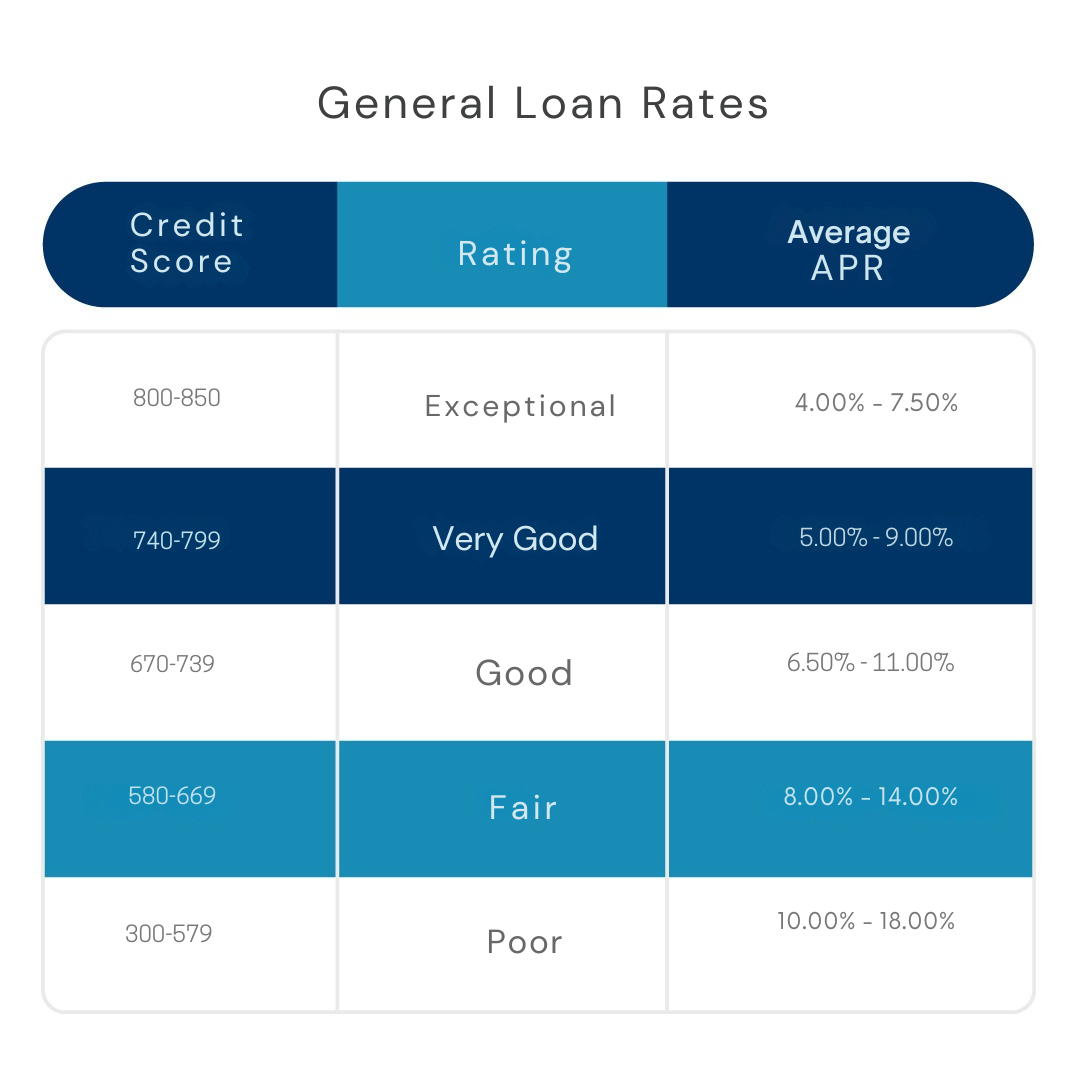
Homeownership allows individuals to accumulate wealth over time, benefiting from property appreciation.
Owning a home provides a stable living environment, offering long-term security for families.
Homeowners can take advantage of tax deductions on mortgage interest and property taxes, reducing the overall cost of owning a home.
Monthly mortgage payments contribute to building equity in the property, which can be used for future financial needs or investments.
Mortgages are long-term commitments, often spanning 15 to 30 years, which can restrict financial flexibility.
The down payment and closing costs associated with a mortgage can be substantial, making it challenging for some buyers to save enough.
Property values can fluctuate, and if the market declines, homeowners may owe more than their property is worth.
Failing to make timely mortgage payments can result in foreclosure, which leads to losing the home and damaging credit scores.
Conclusion
Mortgage loans enable homeownership for individuals and families. These loans allow consumers to invest in reliable, long-term assets and build memories in their houses.
The significance of mortgage loans goes beyond the realm of personal finance. They are essential drivers of the real estate market, influencing property values, construction activities, and economic growth. By making homeownership attainable, mortgage loans foster community stability and encourage civic participation. Homeowners tend to invest in their communities, leading to improved neighborhood aesthetics, local businesses, and overall community well-being.
Fixed-rate, adjustable-rate, and government-backed mortgages let borrowers tailor their financing to their finances and ambitions. First-time buyers and seasoned investors may enter the real estate market with this flexibility.
Getting a mortgage needs considerable thought. Borrowers must evaluate their finances, prepare for economic volatility, and grasp the loan terms. Responsible borrowing and mortgage knowledge allow people to make financial choices.
In conclusion, home loans accelerate personal and social growth. They enable homeownership, boost economic development, and build strong communities. Mortgage loans may lead to stability, progress, and lifetime ambitions if handled carefully and wisely.
A mortgage loan is utilized to buy a house or business. It’s secured by the property, so if the borrower doesn’t pay, the lender may take and sell the property.
When a borrower applies for a mortgage loan, they work with a lender (usually a bank or mortgage company). If approved, the lender provides a loan amount based on the property’s appraised value and the borrower’s creditworthiness. The borrower then makes monthly payments, which typically include both principal and interest, over a specified period (often 15 to 30 years).
Mortgage loans may buy single-family homes, condos, townhouses, multi-family homes, and commercial assets.
The interest rate is initially fixed for a specific period (such as 3, 5, 7, or 10 years) and then adjusts periodically based on market conditions. ARMs can result in lower initial rates but pose the risk of future rate increases.
PMI is typically required if the borrower’s down payment is less than 20% of the property’s purchase price. It protects the lender in case of borrower default. Once the borrower’s equity in the property reaches 20% or more, PMI can often be canceled.

Outsource Capital LLC offers a multitude of benefits for businesses in search of loans. Through our extensive network of lenders, Outsource Capital enables businesses to tap into a broader pool of financing options, simplifying the application process and facilitating access to competitive loan terms. The network’s versatility and the expertise of its lenders make it an appealing choice for businesses of all scales.
With the ever-evolving lending landscape, exploring Outsource Capital’s network of lenders can present businesses with the necessary funding solutions to flourish and achieve success.
The information provided in this article is for informational purposes only and does not constitute financial or legal advice. Each business’s financial situation is unique, and it is recommended that businesses consult with qualified financial and legal professionals before making any financial or legal decisions. The accuracy and applicability of the information provided may vary depending on individual circumstances and should not be relied upon without independent verification. The author and the publisher of this article are not responsible for any financial losses, damages, or legal consequences arising from the use or reliance upon the information provided.
We connect businesses with a network of lenders to facilitate access to various financing options. Still, the decision to apply for a loan and the choice of lender remains solely with the user.
Outsource Capital LLC does not guarantee the accuracy, completeness, or timeliness of the information provided, nor does it guarantee the approval of any loan application or the terms of any loan offer.
You cannot copy content of this page