

Over $50K
Annual Revenue
Over 6 Months
Time in business
600+
Credit Score


Annual Revenue
Time in business
Credit Score
Bridge loans serve as a short-term financing tool that can fill the gap related to funding whenever temporary financing is required until permanent capital or some other financial event occurs (for example, selling a property). Ideal for situations where quick capital is needed, short-term loans provide the borrower with flexibility and fast access to cash.
A bridge loan is a type of short-term financing that can quickly provide cash until permanent funding is secured or an existing obligation is removed. Highly availably to sprinter are bridge loans that lend behind banks, credit unions, and private lenders, in a real estate transaction one is able to get access to a huge sum of money within hours. These are short-term loans that range between a few months to one year and also have higher interest rates than regular loans as they are temporary in nature and approved quickly.
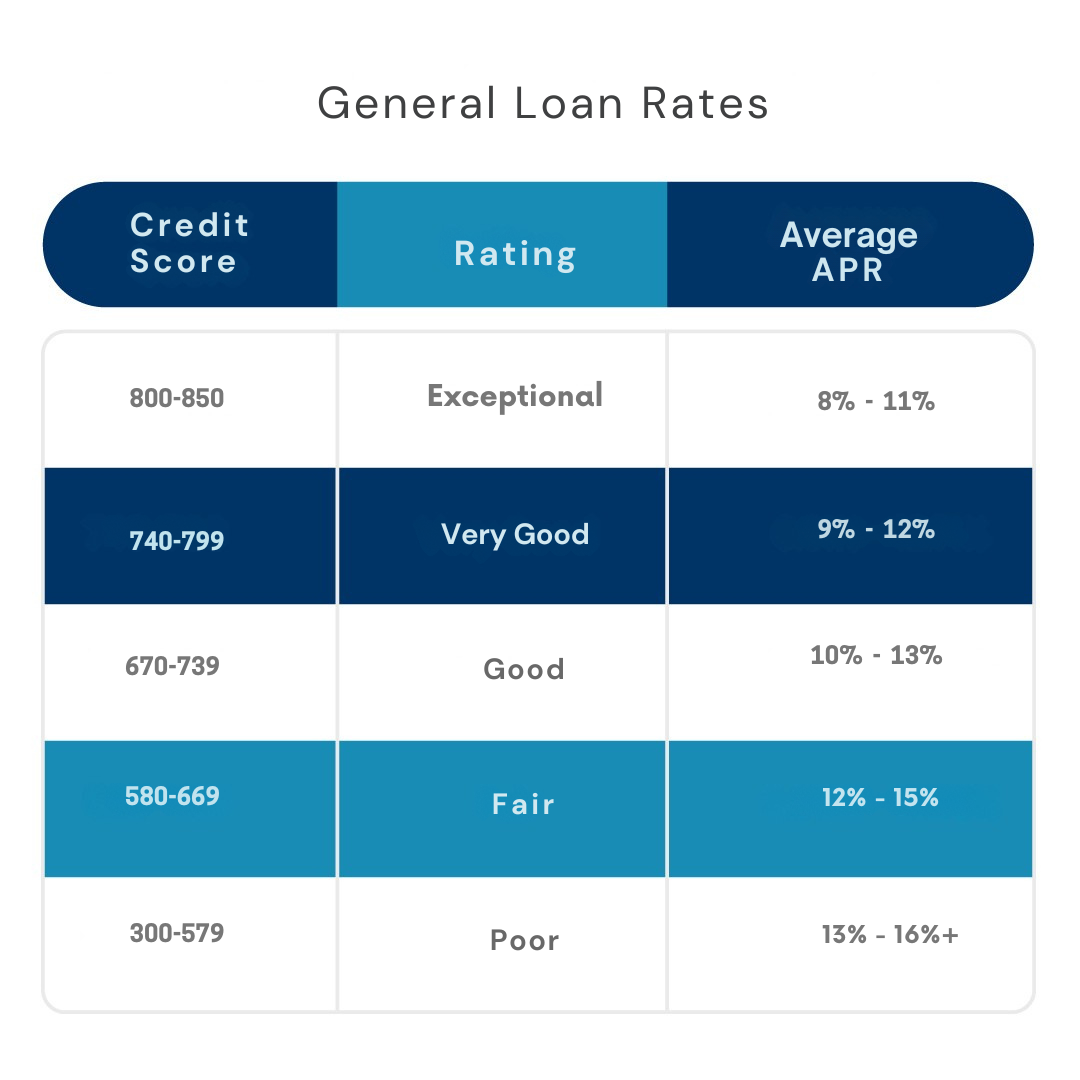
Bridge loans are created to release cash quickly—usually much more rapidly than traditional financing—and help borrowers take fast actions that need timely access to capital.
Bridge loans are designed for businesses or individuals who want to take advantage of something time-sensitive like an investment and acquisition that might be lost if funds cannot be raised in the near term.
For example, lenders may provide flexible repayment terms like payments that are deferred or interest-only, thereby allowing borrowers to manage their cash flow in a way they can best afford.
A bridge loan helps preserve working capital by providing temporary funding for immediate financial needs, allowing businesses to maintain daily operations, meet payroll, manage expenses, and continue pursuing growth opportunities without depleting cash reserves.
Bridge loans are short-term and designed for quick financing, which means that interest rates will tend to be higher than traditional loans; if the loan takes longer to exit than anticipated, the costs of a bridge loan can add up.
Bridge loans are usually backed by an asset (such as real estate), and non-repayment of a loan could lead to the lender foreclosing on the loan collateral, which is also very dangerous for borrowers.
Borrowers must have a defined path to repayment (ie: sale of an asset or permanent financing) before the loan's maturity date. Otherwise, they may not have enough cash when the loan matures.
There are multiple fees associated with bridge loans, from origination to closing costs, which can make the decision of how much a loan actually costs more difficult.
Conclusion
Bridge loans are a tactical financing tool for individuals or businesses that find themselves in need of temporary cash to cover estimated financial shortfall. They offer fast capital with variable terms, making them useful in real estate and other time-sensitive deals. But with increased rates, fees and the risk of foreclosure, borrowers must be clear on their exit strategy and how much they’re going to pay (or perhaps lose) for this type of loan.
For example, bridge loans are often employed in realty transactions where a buyer wants to close on a right property before selling their current residence. Businesses also use them for short-term expenses or to pay for assets until long-term financing can be secured.
Approval can take as little time as a fair few days but is heavily contingent on the borrower and lender. One of the top advantages of bridge loans is that they are approved very quickly.
Bridge loans are often more expensive with higher interest rates and fees that you could be paying right now. The reason being the shorter duration and riskier nature for lenders.
If you face difficulty in repaying a bridge loan on time, then it can lead to extra charges, higher interest rates or penalties. For example, if the loan is collateralized (backed by something of value), such as a home, then the lender can take that home.

Outsource Capital LLC offers a multitude of benefits for businesses in search of loans. Through our extensive network of lenders, Outsource Capital enables businesses to tap into a broader pool of financing options, simplifying the application process and facilitating access to competitive loan terms. The network’s versatility and the expertise of its lenders make it an appealing choice for businesses of all scales.
With the ever-evolving lending landscape, exploring Outsource Capital’s network of lenders can present businesses with the necessary funding solutions to flourish and achieve success.
The information provided in this article is for informational purposes only and does not constitute financial or legal advice. Each business’s financial situation is unique, and it is recommended that businesses consult with qualified financial and legal professionals before making any financial or legal decisions. The accuracy and applicability of the information provided may vary depending on individual circumstances and should not be relied upon without independent verification. The author and the publisher of this article are not responsible for any financial losses, damages, or legal consequences arising from the use or reliance upon the information provided.